
Our Three Step Process
May 30, 2026
Chap 1 | Resource 2 (a) | The Funnel Autopsy Worksheet™
Our Three Step Process
May 30, 2026
Chap 1 | Resource 2 (a) | The Funnel Autopsy Worksheet™
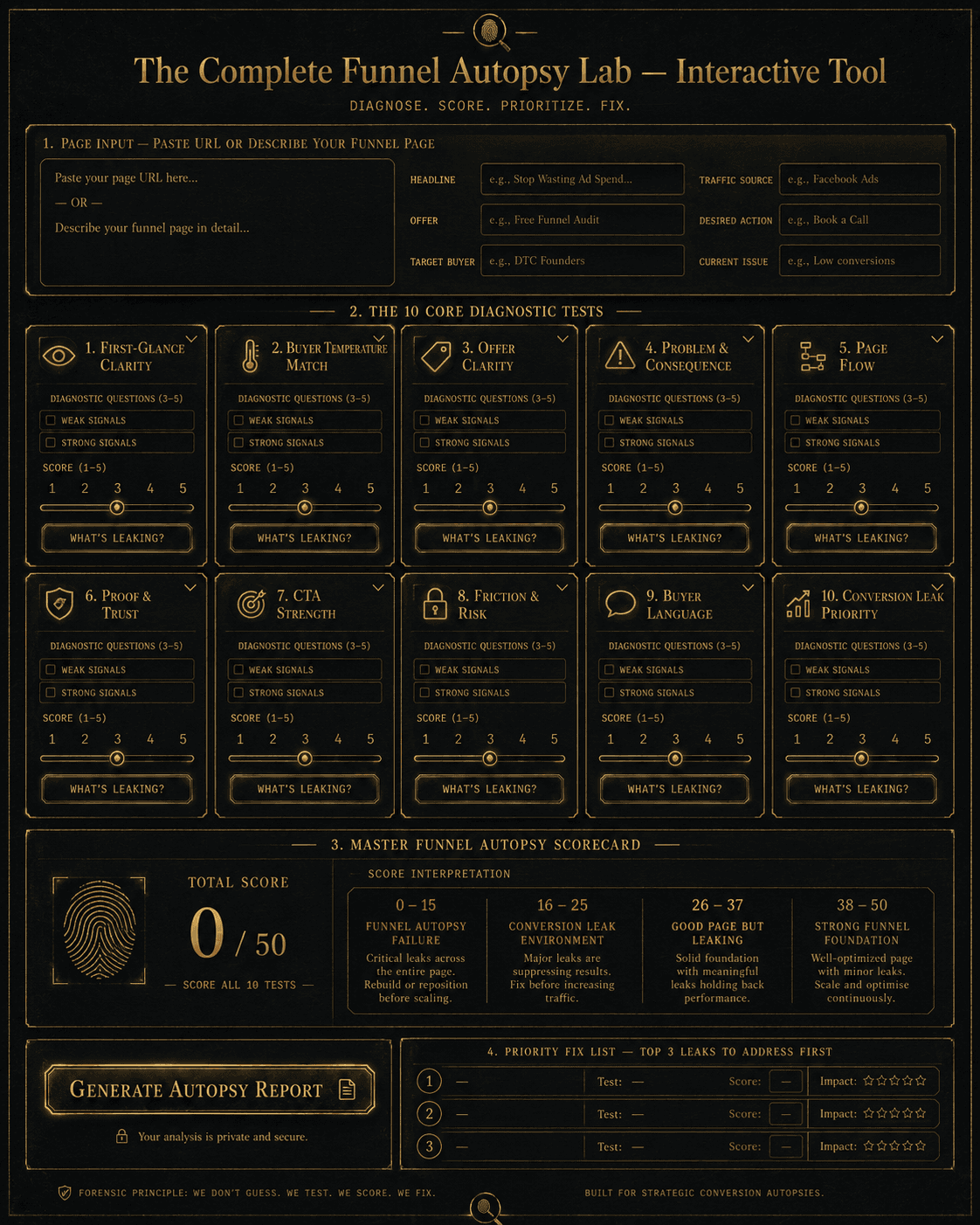
The Funnel Autopsy Worksheet™ It is a full-page diagnostic tool that helps you identify why a funnel page is not converting before you rewrite, redesign, or send more traffic to it. It examines the major conversion leak points: first-glance clarity, buyer temperature, offer clarity, proof strength, CTA strength, page flow, friction, and trust. Use it when a page looks finished but performance feels weak, because the problem is rarely “the whole page.” Usually, one or two invisible leaks are weakening the entire buyer journey.
Prefer Audio Or Video?
The Funnel Autopsy Worksheet™ is also available as:
🎧 A guided audio walkthrough explaining full-page funnel diagnosis, buyer temperature alignment, offer clarity, proof strength, CTA friction, and conversion leak detection.
🎥 A practical video breakdown with real funnel autopsies, weak-page examples, before/after repairs, and section-by-section conversion diagnostics.
Choose the format that fits how you learn best.
[Listen To The Audio Walkthrough] (coming soon)
[Watch The Video Breakdown] (coming soon)
——
Why Most Funnels Get Misdiagnosed
Most funnels are not fixed properly because they are not diagnosed properly.
The founder looks at the page and says:
“The headline needs work.”
The designer says:
“The layout needs to be cleaner.”
The ads person says:
“We need better traffic.”
The copywriter says:
“The offer needs sharper language.”
The team says:
“Maybe we need more testimonials.”
Everyone guesses.
Then the page gets rewritten.
Or redesigned.
Or rebuilt.
Or duplicated.
Or sent more traffic.
And the real problem remains untouched.
That is how funnels waste time.
Not because people are lazy.
Because they are treating symptoms instead of finding the leak.
A funnel page does not usually fail for one dramatic reason.
It fails because one or more parts of the buyer journey create friction.
The page may be clear but untrusted.
The offer may be strong but poorly explained.
The proof may exist but appear too late.
The CTA may be visible but emotionally too early.
The headline may attract attention but the body copy may lose belief.
The page may speak to a hot buyer while the actual visitor is still cold.
The funnel may ask for action before enough certainty has been built.
That is why this resource exists.
The Funnel Autopsy Worksheet™ helps you stop guessing and start diagnosing.
——
What This Resource Helps You Do
The Funnel Autopsy Worksheet™ helps you inspect a funnel page section by section and identify the exact conversion leaks weakening performance.
Use it when:
your page gets traffic but weak conversions
visitors click but do not enquire
people read but do not act
buyers say “interesting” but delay
the page looks good but feels commercially soft
you are not sure whether the problem is copy, offer, proof, CTA, traffic, or trust
your CTA gets ignored
your offer needs too much explaining
your proof feels weak or misplaced
your page feels long but not persuasive
your funnel has attention but no movement
buyers hesitate before taking the next step
your team keeps rewriting without knowing what is broken
This is not a random feedback worksheet.
This is a conversion leak diagnostic.
The goal is simple:
Find the real reason the page is not moving the buyer forward.
Because until the leak is found, every fix is a guess.
——
The Core Principle™
Do not rewrite before diagnosis.
That is the rule.
Most people try to fix funnels by changing words too quickly.
They rewrite headlines.
They swap CTAs.
They add testimonials.
They shorten sections.
They add urgency.
They change colours.
They move buttons.
But they do not first ask:
Where exactly is the buyer losing clarity, belief, trust, desire, or momentum?
That is the question that matters.
A funnel autopsy is not about making the page prettier.
It is about identifying the point where buyer movement weakens.
The buyer may lose movement because:
they do not understand the offer
they do not feel the problem matters
they do not trust the claim
they do not recognise themselves
they do not see enough proof
they are not ready for the CTA
they feel overwhelmed
they do not know what happens next
they do not believe the result is possible
they do not feel the cost of doing nothing
The page is not broken everywhere.
Find the leak.
Then repair the leak.
——
What A Funnel Autopsy Actually Is
A funnel autopsy is a structured diagnosis of the page after performance has disappointed you.
It asks:
What was the page supposed to do?
Who was the page supposed to move?
What action was the visitor supposed to take?
Where did clarity fail?
Where did belief fail?
Where did proof fail?
Where did the CTA fail?
Where did the buyer’s temperature mismatch the message?
Where did the page ask for too much too soon?
Where did the buyer stop feeling safe enough to continue?
This is not emotional criticism.
This is not “I like it” or “I do not like it.”
This is not design opinion.
This is page forensics.
You are looking for evidence.
Not vibes.
——
The Funnel Autopsy Rule™
A funnel page should create movement.
Every section should move the buyer closer to action.
That movement may be:
from confusion to clarity
from indifference to relevance
from scepticism to belief
from interest to desire
from doubt to proof
from hesitation to safety
from passive reading to active next step
If a section does not create movement, it is either weak, misplaced, overlong, under-supported, or unnecessary.
That is the standard.
Do not ask:
“Does this section sound good?”
Ask:
“What does this section make the buyer more ready to believe, feel, or do?”
If the answer is unclear, the section is not doing enough work.
——
Before You Start: Capture The Funnel
Do not audit from memory.
Do not audit the page you wish existed.
Audit the page that is actually live or drafted.
Page Being Audited
What page are you auditing?
Homepage / Landing Page / Sales Page / Application Page / Webinar Page / Product Page / Lead Magnet Page / Offer Section / Other
Main Offer
What is being offered?
Target Buyer
Who is the page meant to convert?
Buyer Temperature
What type of buyer is most likely arriving?
Cold / Warm / Hot / Mixed / Unsure
Traffic Source
Where are visitors coming from?
Paid ads / Organic search / Social media / Email / Referral / Direct / Community / Sales call / Other
Desired Action
What should the visitor do next?
Book a call / Buy / Apply / Download / Sign up / Watch / Enquire / Join waitlist / Other
Current Page Performance
What is weak?
Low scroll / Low CTA clicks / Low enquiries / Low purchases / Low applications / High bounce / Low trust / Weak lead quality / Other
Current Concern
What do you suspect is wrong?
Evidence Available
What evidence do you have?
Analytics / Heatmaps / Call recordings / Buyer comments / Sales objections / Email replies / Form data / Ad performance / User testing / Other
——
The Funnel Autopsy Sequence™
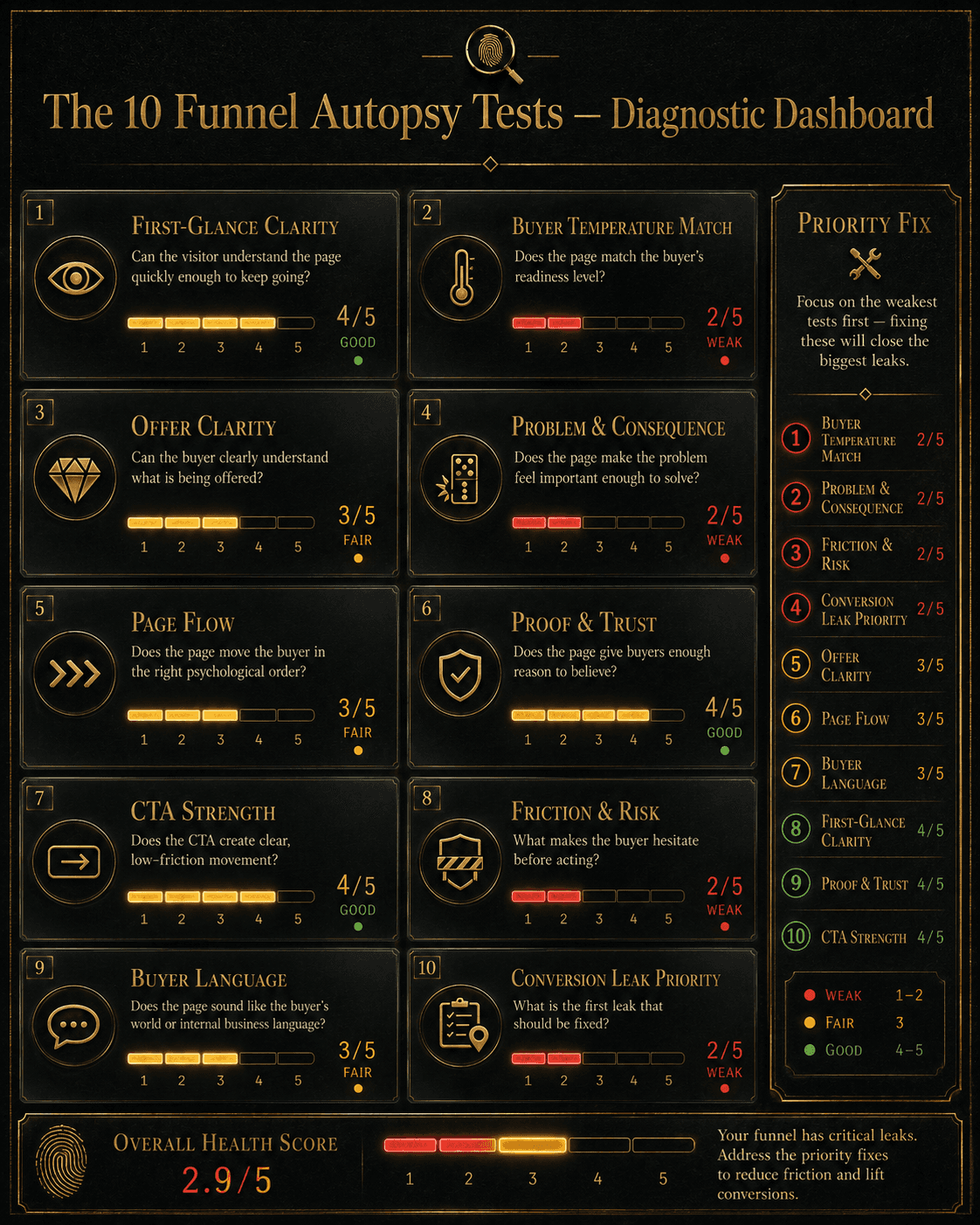
Run the page through these ten diagnostic areas:
First-Glance Clarity
Buyer Temperature Match
Offer Clarity
Problem & Consequence
Page Flow
Proof & Trust
CTA Strength
Friction & Risk
Buyer Language
Conversion Leak Priority
Do not skip around.
A funnel has sequence.
The autopsy should too.
——
Diagnostic 1: First-Glance Clarity™
Core Question
Can the visitor understand the page quickly enough to keep going?
Before the page can persuade, it must orient.
The visitor needs to understand:
what this is
who it is for
why it matters
what changes
what to do next
If the page fails here, everything else becomes harder.
A page with weak first-glance clarity forces the visitor to decode meaning before they can feel desire.
That is expensive.
Attention does not wait for clarity.
Questions To Ask
Can the visitor understand the page within seconds?
Does the headline create immediate orientation?
Does the subheadline clarify the promise?
Does the first screen name the buyer’s problem?
Does the page avoid vague language?
Is the CTA visible and understandable?
Does the hero visual build meaning or simply decorate?
Would a stranger know what this page is about?
Weak Signals
First-glance clarity is weak when the page uses:
vague headline
clever but unclear phrasing
broad audience language
abstract benefits
decorative visuals
unclear CTA
too many ideas above the fold
no visible buyer condition
generic language like “growth,” “strategy,” “solutions,” or “success”
The visitor may think:
“This looks professional, but I do not know what it means.”
That is a leak.
Strong Signals
First-glance clarity is strong when the visitor can quickly say:
“This is for me.”
“I know what problem this solves.”
“I understand what changes.”
“I know why this matters.”
“I know what to click next.”
That is the first conversion gate.
Repair Direction
Fix the first screen before fixing the rest of the page.
If the first screen is unclear, the rest of the page may never get a proper chance.
Worksheet
What is unclear above the fold?
What does the headline currently communicate?
What should it communicate more clearly?
What buyer condition should appear sooner?
What CTA confusion exists?
What visual confusion exists?
What needs to be rewritten first?
Score
Score: ___ / 5
Status: Pass / Weak Pass / Fail
——
Diagnostic 2: Buyer Temperature Match™
Core Question
Does the page match the buyer’s readiness level?
A page can be well written and still fail if it speaks to the wrong buyer temperature.
Cold buyers need more context.
Warm buyers need more specificity.
Hot buyers need directness, proof, and action.
A cold buyer may not yet understand the problem.
A warm buyer may understand the problem but not trust your solution.
A hot buyer may already want the outcome but need reassurance before acting.
If the page treats all visitors the same, friction rises.
Buyer Temperature Definitions
Cold Buyer
They may not fully understand the problem yet.
They need:
recognition
education
problem clarity
context
reason to care
low-pressure next step
Warm Buyer
They understand the problem but are comparing options.
They need:
positioning
proof
mechanism clarity
differentiation
specificity
objection handling
Hot Buyer
They already feel the pain and want movement.
They need:
clear offer
strong proof
direct CTA
risk reduction
decision support
fast action path
Questions To Ask
What temperature is the page written for?
What temperature is the traffic actually bringing?
Does the page assume too much awareness?
Does the page explain too slowly for a hot buyer?
Does the CTA ask too much from a cold buyer?
Does the proof appear too late for a warm buyer?
Does the page match the visitor’s stage of readiness?
Weak Signals
Buyer temperature mismatch happens when:
cold traffic lands on a page that assumes trust
hot buyers are forced through excessive education
warm buyers see claims without enough proof
the CTA asks for commitment too early
the page pushes urgency before belief
the page explains basics to someone already ready to act
the funnel treats social traffic and email traffic the same
Strong Signals
The page matches buyer temperature when:
cold buyers are given context and recognition
warm buyers are given proof and differentiation
hot buyers are given direct action and reassurance
the CTA matches trust level
the page does not ask for more commitment than the visitor is ready to give
Repair Direction
Match the page to the traffic source.
A page built for warm email subscribers may fail with cold ad traffic.
A page built for cold traffic may feel slow to hot buyers.
Worksheet
Where is the traffic coming from?
What is the likely buyer temperature?
Cold / Warm / Hot / Mixed
What does this buyer already know?
What do they not yet believe?
What do they need before acting?
Is the current page too fast, too slow, or just right?
Too fast / Too slow / Just right / Unsure
What needs to change?
Score
Score: ___ / 5
Status: Pass / Weak Pass / Fail
——
Diagnostic 3: Offer Clarity™
Core Question
Can the buyer clearly understand what is being offered?
A funnel cannot convert strongly if the offer is foggy.
Offer fog happens when the buyer cannot clearly understand:
what the offer is
who it is for
what problem it solves
what result it creates
how it works
why it is different
why it matters now
The buyer may like the idea but still hesitate because the offer has no clear shape.
Interest without offer clarity creates delay.
Questions To Ask
Can the buyer explain the offer in one sentence?
Is the result clear?
Is the mechanism clear?
Is the audience clear?
Is the offer specific enough to remember?
Does the page sell the result or merely describe the process?
Does the offer feel commercially meaningful?
Does the buyer understand why this offer is different from alternatives?
Weak Signals
Offer clarity is weak when the page says:
custom strategy
growth support
marketing solutions
business transformation
premium consulting
done-for-you systems
full-service support
high-converting funnels
These phrases may sound valuable, but they often lack offer shape.
The buyer thinks:
“What exactly am I getting?”
Or:
“Why is this different?”
That is a leak.
Strong Signals
Offer clarity is strong when the buyer can quickly identify:
the buyer condition
the painful problem
the desired result
the mechanism
the next step
Example:
“An offer clarity audit for service businesses whose pages explain what they do but still fail to give buyers a strong reason to enquire.”
Now the offer has shape.
Repair Direction
Compress the offer into a clear line.
Use this structure:
For [specific buyer] who [specific problem], this helps [specific result] through [specific mechanism] without [painful friction].
Worksheet
What is the current offer?
Who is it for?
What problem does it solve?
What result does it create?
What mechanism creates the result?
What painful friction does it remove?
What makes it different?
Write the offer in one clear sentence:
Score
Score: ___ / 5
Status: Pass / Weak Pass / Fail
——
Diagnostic 4: Problem & Consequence™
Core Question
Does the page make the problem feel important enough to solve?
Many pages explain the offer but fail to make the problem matter.
That creates passive interest.
The buyer thinks:
“This sounds useful.”
But not:
“I need to deal with this.”
The difference is consequence.
A strong page shows the cost of leaving the problem unresolved.
That cost may be:
lost revenue
wasted traffic
weak trust
delayed decisions
wrong-fit leads
low conversion
buyer confusion
repeated frustration
missed opportunity
emotional fatigue
If consequence is missing, urgency stays weak.
Questions To Ask
What problem does the page name?
Does the buyer already feel this problem?
Does the page show why it matters?
Does it reveal the cost of inaction?
Does it show what keeps leaking?
Does it create enough tension to make the offer relevant?
Does the page make staying the same feel uncomfortable?
Weak Signals
Problem and consequence are weak when the page says:
“We help you improve.”
“We support growth.”
“We make marketing better.”
“We optimise your funnel.”
“We build strategy.”
This explains activity.
It does not expose pain.
Strong Signals
Problem and consequence are strong when the page says:
“You are sending traffic into a page buyers do not trust yet.”
“Qualified visitors are leaving before they understand why your offer matters.”
“Your proof appears after doubt has already started winning.”
“Your CTA asks for action before enough certainty has been built.”
Now the buyer feels the cost.
Repair Direction
Name the real consequence.
Do not exaggerate.
Do not fake urgency.
Make the existing cost visible.
Worksheet
What problem is the page solving?
What happens if the buyer ignores it?
What keeps leaking?
What becomes more expensive?
What frustration repeats?
What does the buyer privately worry about?
What consequence should be made clearer?
Write the consequence in one sentence:
Score
Score: ___ / 5
Status: Pass / Weak Pass / Fail
——
Diagnostic 5: Page Flow™
Core Question
Does the page move the buyer in the right psychological order?
A funnel page is not just a collection of sections.
It is a sequence.
If the sequence is wrong, the buyer feels friction.
For example:
proof appears before the buyer understands the claim
the CTA appears before trust is built
features appear before the problem matters
testimonials appear without context
pricing appears before value is clear
the founder story appears before buyer recognition
the page explains the method before the buyer cares about the problem
That weakens movement.
A strong page earns the next section.
The Basic Page Movement
A strong funnel page usually moves through:
recognition
problem
consequence
offer
mechanism
proof
objections
CTA
reassurance
This does not mean every page must follow the same layout.
But the buyer should not feel emotionally out of order.
Questions To Ask
Does the page start with buyer recognition?
Does it make the problem matter before explaining the solution?
Does the offer appear at the right moment?
Does proof appear near the claims it supports?
Does the CTA appear after enough belief has been built?
Does each section make the next section feel necessary?
Does the page create momentum or feel like disconnected blocks?
Weak Signals
Page flow is weak when:
sections feel random
proof appears too late
the CTA appears too early
the story comes before buyer relevance
features appear before pain
the offer appears before the problem is clear
the page repeats instead of progressing
each section feels isolated
Strong Signals
Page flow is strong when:
each section answers the buyer’s next question
proof appears when doubt rises
the CTA feels earned
the buyer feels progressively clearer and safer
the page creates forward movement
the sequence feels natural
Repair Direction
Map the buyer’s questions.
Then order the page around those questions.
The page should not follow what the founder wants to say.
It should follow what the buyer needs to believe next.
Worksheet
List the current page sections in order:
What question does each section answer?
Where does the sequence feel out of order?
What section appears too early?
What section appears too late?
What section should be removed?
What section should be moved?
Score
Score: ___ / 5
Status: Pass / Weak Pass / Fail
——
Diagnostic 6: Proof & Trust™
Core Question
Does the page give buyers enough reason to believe?
The buyer does not only need to understand the offer.
They need to trust it.
Proof is what reduces the buyer’s belief burden.
Without proof, the buyer has to carry too much uncertainty alone.
They may think:
“Sounds good, but is it real?”
“Has this worked before?”
“Will this work for someone like me?”
“Can I trust this enough to act?”
Proof should answer those doubts.
Not decorate the page.
Questions To Ask
What claims does the page make?
What proof supports those claims?
Is the proof close enough to the claim?
Does the proof feel real?
Does the proof feel specific?
Does the proof reduce doubt?
Does the proof match the buyer’s situation?
Does the proof appear before the CTA?
Does the page rely too much on unsupported claims?
Weak Signals
Proof and trust are weak when:
testimonials are generic
proof appears too late
screenshots lack context
results are claimed but not shown
the proof wall feels random
the page uses logos without explanation
proof feels staged
proof does not support nearby claims
the buyer has to imagine too much
Strong Signals
Proof and trust are strong when:
proof appears where doubt rises
testimonials show transformation
screenshots are easy to inspect
before/after proof shows visible movement
proof supports specific claims
proof feels real and grounded
the page feels safer as the buyer scrolls
Repair Direction
Do not simply add more proof.
Add the right proof in the right place.
Ask:
“What doubt is rising here, and what proof would reduce it fastest?”
Worksheet
What is the biggest claim on the page?
What doubt does that claim create?
What proof supports it?
Is the proof nearby?
Yes / No / Partially
What proof feels strongest?
What proof feels weakest?
What proof is missing?
What proof should be moved closer to the CTA?
Score
Score: ___ / 5
Status: Pass / Weak Pass / Fail
——
Diagnostic 7: CTA Strength™
Core Question
Does the CTA create clear, low-friction movement?
The CTA is not just a button.
It is the visible bridge between attention and action.
A weak CTA creates uncertainty.
A strong CTA creates movement.
The buyer should understand:
what happens next
why clicking matters
what value they receive
how much effort is required
whether the action feels safe enough
If the CTA is vague, passive, too aggressive, or too early, conversion leaks.
Questions To Ask
Is the CTA specific?
Does it imply a payoff?
Does it match the buyer’s temperature?
Is it repeated at the right moments?
Does the CTA feel connected to the offer?
Does microcopy reduce hesitation?
Does the page support the CTA with enough proof?
Does the buyer know what happens after clicking?
Weak Signals
CTA strength is weak when the button says:
Submit
Learn More
Contact Us
Get Started
Click Here
Read More
Or when:
there is no microcopy
the CTA appears before trust
the CTA feels too high commitment
the payoff is unclear
the next step feels vague
the CTA does not match the page promise
Strong Signals
CTA strength is stronger when the button says:
Run The Funnel Autopsy
Find My Biggest Page Leak
Get The Clarity Scorecard
Show Me What To Fix First
Book The Offer Audit
Download The Worksheet
See The Breakdown
Now the action feels specific.
The buyer knows what they are moving toward.
Repair Direction
Make the CTA payoff clear.
Then reduce hesitation with microcopy.
Worksheet
What is the current CTA?
What does the buyer get after clicking?
What payoff does the CTA imply?
What hesitation might stop the click?
Is the CTA too early, too late, or correctly placed?
Too early / Too late / Correct / Unsure
What microcopy would make the action feel safer?
Rewrite the CTA:
Rewrite the microcopy:
Score
Score: ___ / 5
Status: Pass / Weak Pass / Fail
——
Diagnostic 8: Friction & Risk™
Core Question
What makes the buyer hesitate before acting?
Even if the page is clear and persuasive, friction can still stop action.
Friction can be practical or psychological.
Practical friction includes:
long forms
unclear next step
slow page speed
confusing checkout
hidden pricing
too many fields
unclear process
weak mobile experience
Psychological friction includes:
fear of wasting money
fear of being pressured
lack of trust
unclear outcome
weak proof
uncertainty about what happens next
too much commitment too soon
A funnel autopsy must identify both.
Questions To Ask
What might make the buyer hesitate?
What feels risky?
What feels unclear?
What feels too much effort?
What feels too high commitment?
What question is unanswered before action?
What objection is not handled?
What practical step creates friction?
What emotional concern is still active?
Weak Signals
Friction is high when:
forms are too long
next steps are unclear
the buyer does not know what happens after clicking
the CTA feels like a trap
pricing is hidden without reason
there is no reassurance
the offer feels risky
proof is weak near action
mobile experience is heavy
the page asks for commitment before trust
Strong Signals
Friction is lower when:
the next step is clear
forms are simple
microcopy reassures
proof appears near CTA
the process is explained
risk is reduced
expectations are clear
the buyer feels safe enough to act
Repair Direction
Reduce the perceived cost of action.
Ask:
“What would make this next step feel easier, safer, and more obvious?”
Worksheet
What practical friction exists?
What psychological friction exists?
What is the buyer afraid of?
What question remains unanswered?
What could make the next step feel safer?
What could make the form easier?
What reassurance should appear near the CTA?
Score
Score: ___ / 5
Status: Pass / Weak Pass / Fail
——
Diagnostic 9: Buyer Language™
Core Question
Does the page sound like the buyer’s world or the business’s internal language?
Weak pages often use seller language.
Strong pages use buyer language.
Seller language sounds like:
conversion architecture
marketing optimisation
strategic growth
customer journey
brand positioning
funnel performance
digital transformation
Buyer language sounds like:
people click but do not enquire
buyers do not trust the page fast enough
the offer sounds useful but forgettable
the page looks good but still does not move people
we keep sending traffic into a page we do not fully trust
The second version creates recognition faster.
Why?
Because it sounds closer to the buyer’s private thought.
Questions To Ask
Does the page use language the buyer would actually use?
Does it name the problem how the buyer feels it?
Does it avoid internal terminology?
Does it sound human?
Does the page reflect real objections?
Does it include phrases from sales calls, DMs, reviews, emails, or support messages?
Would the buyer say, “That is exactly it”?
Weak Signals
Buyer language is weak when the page uses:
corporate phrasing
internal terminology
abstract benefits
polished but lifeless language
jargon
seller-first descriptions
phrases the buyer would never naturally say
Strong Signals
Buyer language is strong when:
the buyer recognises their own thoughts
the problem feels emotionally accurate
the page names real friction
the copy feels specific and human
the language sounds like it came from the market
the buyer feels seen rather than sold to
Repair Direction
Replace internal language with market language.
Use real buyer phrases wherever possible.
Worksheet
What phrases sound like internal business language?
What would the buyer say instead?
What objections have buyers actually said?
What phrases appear in calls, messages, reviews, or emails?
What line should be rewritten in buyer language?
Rewrite it:
Score
Score: ___ / 5
Status: Pass / Weak Pass / Fail
——
Diagnostic 10: Conversion Leak Priority™
Core Question
What is the first leak that should be fixed?
This is where the autopsy becomes useful.
Do not finish the worksheet with a vague list of problems.
Finish with a priority.
Most pages have several weaknesses.
But not every weakness matters equally.
Some leaks are cosmetic.
Some leaks are structural.
Some leaks are killing movement.
The goal is to identify the first repair.
Not every possible improvement.
Questions To Ask
Which diagnostic scored lowest?
Which weakness appears earliest on the page?
Which leak affects the buyer’s ability to understand the offer?
Which leak affects trust most?
Which leak affects action most?
Which repair would create the biggest performance improvement fastest?
Which issue should be fixed before everything else?
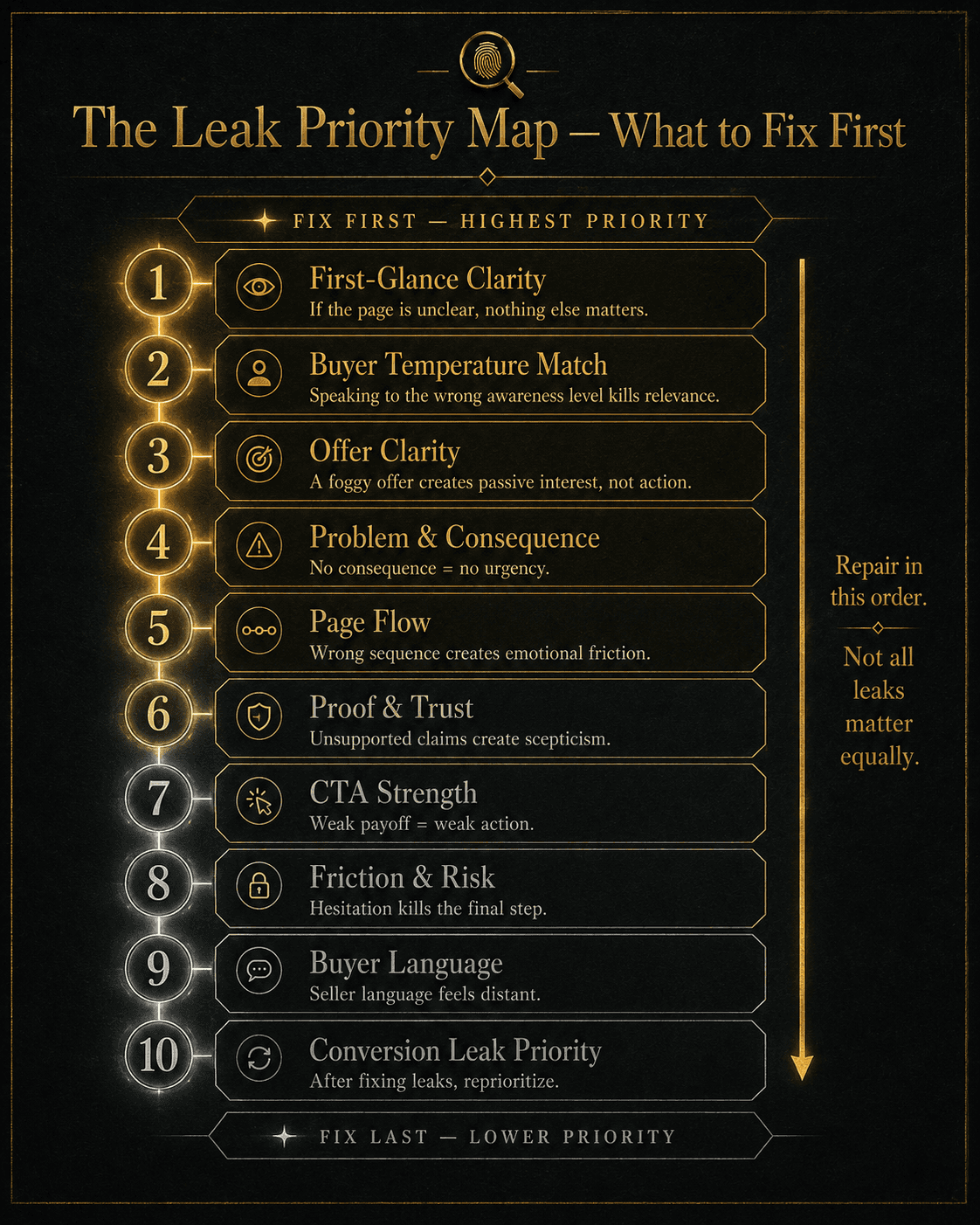
Common Priority Logic
If first-glance clarity is weak, fix that first.
If buyer temperature is wrong, fix the message-to-traffic match.
If offer clarity is weak, fix the offer before rewriting sections.
If consequence is weak, fix the tension.
If page flow is weak, reorder the argument.
If proof is weak, support the claims.
If CTA is weak, clarify the action.
If friction is high, reduce risk.
If buyer language is weak, replace seller language.
Worksheet
Lowest score:
Second-lowest score:
Most damaging leak:
Where does it appear?
Why is it damaging conversion?
What should be fixed first?
What should not be touched yet?
What evidence will show whether the repair worked?
Score
Priority clarity score: ___ / 5
Status: Clear Priority / Weak Priority / No Clear Priority
——
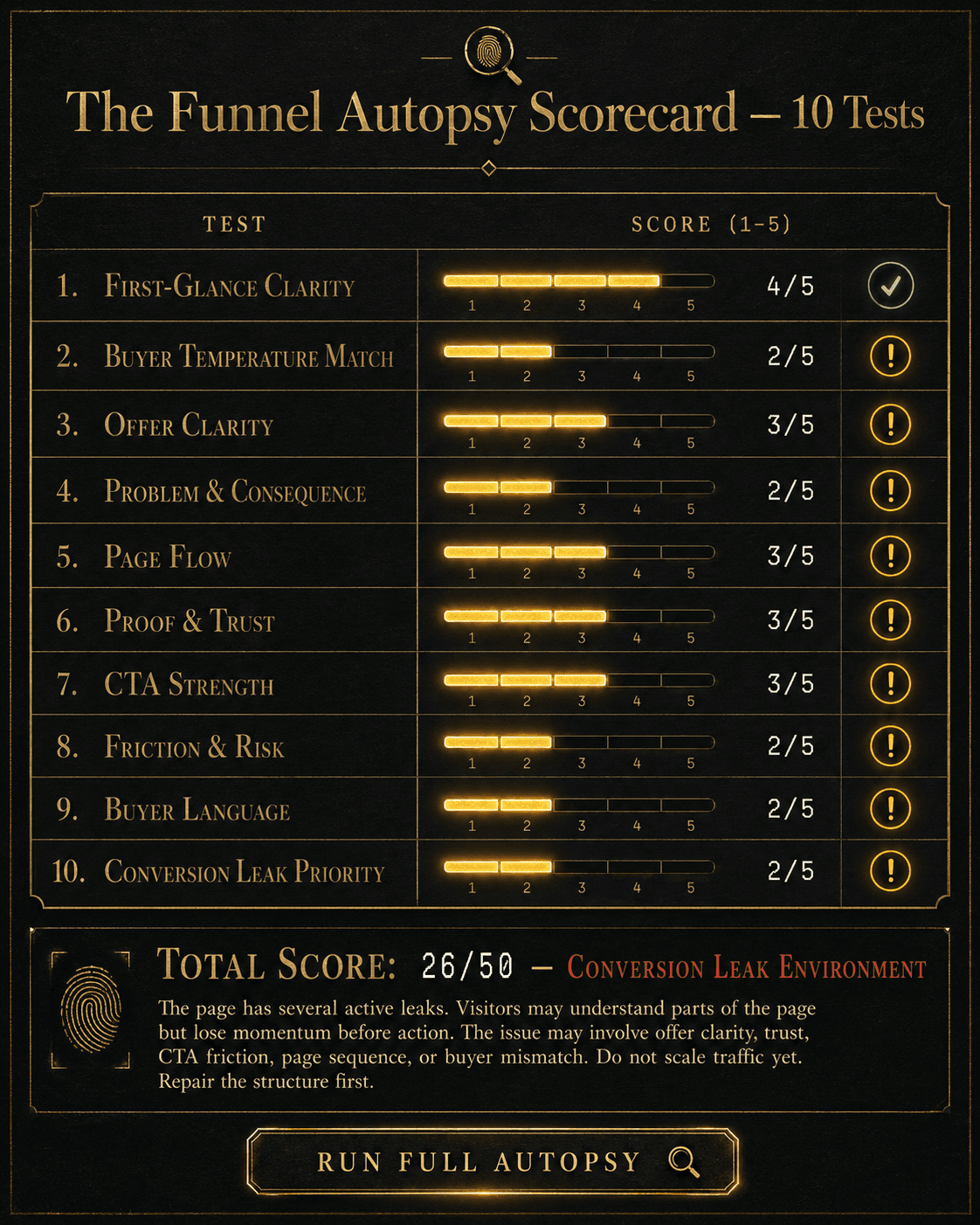
The Complete Funnel Autopsy Scorecard™
Score each diagnostic from 1 to 5.
First-Glance Clarity: ___ / 5
Buyer Temperature Match: ___ / 5
Offer Clarity: ___ / 5
Problem & Consequence: ___ / 5
Page Flow: ___ / 5
Proof & Trust: ___ / 5
CTA Strength: ___ / 5
Friction & Risk: ___ / 5
Buyer Language: ___ / 5
Conversion Leak Priority: ___ / 5
Total Score: ___ / 50
——
Score Interpretation
42–50: Strong Funnel Foundation™
The page has a strong conversion foundation.
It is clear, well-sequenced, aligned with buyer temperature, supported by proof, and has a clear CTA path.
You can test, refine, and optimise.
34–41: Good Page, But Leaking™
The page is workable, but one or two leaks are weakening performance.
Fix the lowest-scoring areas before doing a full rewrite.
This page likely needs targeted repair, not total reconstruction.
24–33: Conversion Leak Environment™
The page has several active leaks.
Visitors may understand parts of the page but lose momentum before action.
The issue may involve offer clarity, trust, CTA friction, page sequence, or buyer mismatch.
Do not scale traffic yet.
Repair the structure first.
0–23: Funnel Autopsy Failure™
The page is not conversion-ready.
It may be unclear, misaligned, untrusted, poorly sequenced, or asking for action too early.
Do not rewrite randomly.
Return to the highest-leverage fundamentals:
clarity
buyer temperature
offer
consequence
proof
CTA
friction
——
Funnel Leak Diagnosis™
Use your lowest scores to identify the dominant leak.
Leak 1: Clarity Leak™
Low score in:
First-Glance Clarity
Meaning:
The visitor does not understand the page fast enough.
Repair:
Clarify the headline, subheadline, visual, and CTA.
Leak 2: Buyer Temperature Leak™
Low score in:
Buyer Temperature Match
Meaning:
The page is speaking to the wrong awareness level.
Repair:
Match the message to the traffic source and buyer readiness.
Leak 3: Offer Fog Leak™
Low score in:
Offer Clarity
Meaning:
The buyer cannot clearly understand what is being offered or why it matters.
Repair:
Compress the offer into a clear buyer-problem-result-mechanism line.
Leak 4: Consequence Leak™
Low score in:
Problem & Consequence
Meaning:
The problem does not feel important enough to act on.
Repair:
Make the cost of inaction visible.
Leak 5: Sequence Leak™
Low score in:
Page Flow
Meaning:
The page sections appear in the wrong psychological order.
Repair:
Reorder the page around the buyer’s next question.
Leak 6: Trust Leak™
Low score in:
Proof & Trust
Meaning:
The page asks for belief without enough evidence.
Repair:
Move proof closer to claims and strengthen weak proof.
Leak 7: CTA Leak™
Low score in:
CTA Strength
Meaning:
The buyer does not feel enough clarity or payoff around the next step.
Repair:
Rewrite CTA and microcopy around specific value.
Leak 8: Friction Leak™
Low score in:
Friction & Risk
Meaning:
The next step feels too risky, unclear, heavy, or high commitment.
Repair:
Reduce form friction, explain next steps, add reassurance.
Leak 9: Language Leak™
Low score in:
Buyer Language
Meaning:
The page sounds like the business, not the buyer.
Repair:
Replace internal language with real market language.
Leak 10: Priority Leak™
Low score in:
Conversion Leak Priority
Meaning:
The team does not know what to fix first.
Repair:
Choose the lowest-scoring, earliest, most damaging leak.
——
My Dominant Funnel Leak
My lowest score is:
My dominant funnel leak is:
Clarity / Buyer Temperature / Offer Fog / Consequence / Sequence / Trust / CTA / Friction / Language / Priority
The first repair I need to make is:
The repair should happen in this section:
The evidence I will use to judge improvement is:
——
Funnel Autopsy Repair Map™
Use this to decide what to do next.
If The Page Is Unclear
Do not redesign first.
Repair:
headline
subheadline
visual direction
CTA
one-sentence page explanation
If Buyer Temperature Is Wrong
Do not blame the offer first.
Repair:
traffic-to-message match
awareness level
amount of education
CTA commitment level
proof timing
If The Offer Is Foggy
Do not add more sections first.
Repair:
buyer condition
problem
result
mechanism
offer line
If Consequence Is Weak
Do not add fake urgency.
Repair:
cost of inaction
visible friction
buyer frustration
commercial loss
emotional pressure
If Page Flow Is Weak
Do not rewrite every section.
Repair:
section order
buyer question sequence
proof placement
CTA timing
repeated sections
If Proof Is Weak
Do not add random testimonials.
Repair:
claim-to-proof alignment
proof strength
proof placement
testimonial specificity
screenshot context
If CTA Is Weak
Do not simply make the button brighter.
Repair:
CTA wording
payoff
microcopy
trust support
friction level
If Friction Is High
Do not push harder.
Repair:
risk
form length
next-step clarity
reassurance
expectation setting
If Buyer Language Is Weak
Do not make the page more “premium” by making it vague.
Repair:
real buyer phrases
sales call language
objections
private frustrations
recognisable wording
——
Weak vs Strong Funnel Diagnosis Example
Weak Diagnosis
“The page is not converting. We need better copy.”
This is too vague.
It does not identify the actual leak.
It creates random rewriting.
Strong Diagnosis
“The page is attracting warm buyers, but the offer section is vague, the proof appears too late, and the CTA asks for a call before the buyer has enough trust. The first repair should be moving a specific proof asset directly under the offer claim and rewriting the CTA around a lower-friction diagnostic.”
This is useful.
It identifies:
buyer temperature
offer issue
proof issue
CTA issue
first repair
That is a real autopsy.
——
The Funnel Autopsy Summary™
Complete this after scoring the page.
Page Being Audited
Main Offer
Target Buyer
Traffic Source
Desired Action
Biggest Symptom
Low clicks / Low scroll / Low enquiries / Low purchases / Weak lead quality / High bounce / Other
Lowest Score
Dominant Leak
Why This Leak Matters
First Section To Repair
First Copy Element To Repair
Headline / Subheadline / Offer Line / Proof / CTA / Microcopy / Objection Section / Other
First Proof Element To Repair
First Friction Element To Repair
What Not To Touch Yet
Repair Priority
Success Metric
How will you know the repair worked?
CTA clicks / Enquiries / Applications / Purchases / Scroll depth / Lead quality / Reply rate / Other
——
Final Funnel Autopsy Worksheet™
Use this as your complete working version.
Current Page
Page:
Offer:
Target buyer:
Traffic source:
Buyer temperature:
Desired action:
Main performance issue:
Current Page Elements
Headline:
Subheadline:
Offer line:
Main proof:
CTA:
Microcopy:
Main objection section:
Final CTA:
Diagnostic Scores
First-Glance Clarity: ___ / 5
Buyer Temperature Match: ___ / 5
Offer Clarity: ___ / 5
Problem & Consequence: ___ / 5
Page Flow: ___ / 5
Proof & Trust: ___ / 5
CTA Strength: ___ / 5
Friction & Risk: ___ / 5
Buyer Language: ___ / 5
Conversion Leak Priority: ___ / 5
Total: ___ / 50
Diagnosis
The biggest leak is:
This leak appears in:
This leak weakens conversion because:
The buyer likely thinks:
The page currently asks the buyer to:
But the buyer still needs:
First Repair
The first repair should be:
Why this comes first:
What should be changed exactly:
Rewritten Core Elements
New one-sentence page explanation:
New offer line:
New consequence line:
New proof placement:
New CTA:
New microcopy:
Final Verdict
Strong Funnel Foundation / Good Page, But Leaking / Conversion Leak Environment / Funnel Autopsy Failure
Why?
——
Final Execution Challenge™
Take one underperforming funnel page and run the full autopsy.
Do not rewrite yet.
Do not redesign yet.
Do not add new traffic yet.
Diagnose first.
Find the lowest score.
Find the dominant leak.
Find the first repair.
Then fix only that first.
Because the goal is not to make the page different.
The goal is to make the page move the buyer more effectively.
A page does not improve because more words are added.
It improves when the right friction is removed.
——
Final Principle™
A funnel page does not fail in general.
It fails somewhere specific.
That is the point.
Somewhere, the buyer loses clarity.
Somewhere, the offer becomes foggy.
Somewhere, the proof arrives too late.
Somewhere, the CTA feels too risky.
Somewhere, the page speaks to the wrong buyer temperature.
Somewhere, the buyer’s trust stops increasing.
Somewhere, movement breaks.
The job of The Funnel Autopsy Worksheet™ is to find that somewhere.
Not to guess.
Not to decorate.
Not to rewrite blindly.
But to diagnose.
Because once the real leak is visible, the repair becomes obvious.
And when the repair becomes obvious, the funnel stops being a mystery.
It becomes a system.
One leak at a time.
One repair at a time.
One clearer buyer movement at a time.
That is how weak pages become stronger pages.
Not through random optimisation.
Through diagnosis before repair.
——
From:
The $100M Funnel Playbook. Book I: Foundation — Buyer Psychology, Offer Clarity, And The Page Architecture Behind High-Converting Funnels
By Maris Spalins.
——
Copyright Notice
© 2026 The $100M Funnel Playbook / Winyourclients / Maris Spalins. All rights reserved.
This resource, including the frameworks, terminology, examples, scorecards, templates, prompts, methods, and written explanations, is original intellectual property created for The $100M Funnel Playbook. Book I: Foundation — Buyer Psychology, Offer Clarity, And The Page Architecture Behind High-Converting Funnels and published through Winyourclients.
No part of this resource may be copied, reproduced, screenshotted, republished, redistributed, sold, adapted, uploaded, scraped, stored in a database, included in training data, used to train artificial intelligence systems, or used to create derivative commercial or educational materials without prior written permission.
Limited reference, quotation, or sharing is only permitted where the source is clearly and visibly credited.
Any permitted reference must include at least one of the following source credits:
The $100M Funnel Playbook by Maris Spalins
or
Winyourclients — www.winyourclients.com
or
Maris Spalins / Winyourclients
Screenshots, excerpts, summaries, or redistributed versions must not remove, hide, alter, crop out, or obscure the original source, author name, book title, website name, or copyright notice.
This resource is provided for personal learning and implementation only. It is not licensed for resale, republishing, redistribution, AI training, template cloning, course creation, consulting delivery, or commercial reuse without written permission from Maris Spalins or Winyourclients.
For permission requests, licensing, citation approval, or commercial usage enquiries, contact:
Winyourclients
www.winyourclients.com
or
Email directly to Jacob on: help@winyourclients.com
The Funnel Autopsy Worksheet™ It is a full-page diagnostic tool that helps you identify why a funnel page is not converting before you rewrite, redesign, or send more traffic to it. It examines the major conversion leak points: first-glance clarity, buyer temperature, offer clarity, proof strength, CTA strength, page flow, friction, and trust. Use it when a page looks finished but performance feels weak, because the problem is rarely “the whole page.” Usually, one or two invisible leaks are weakening the entire buyer journey.
Prefer Audio Or Video?
The Funnel Autopsy Worksheet™ is also available as:
🎧 A guided audio walkthrough explaining full-page funnel diagnosis, buyer temperature alignment, offer clarity, proof strength, CTA friction, and conversion leak detection.
🎥 A practical video breakdown with real funnel autopsies, weak-page examples, before/after repairs, and section-by-section conversion diagnostics.
Choose the format that fits how you learn best.
[Listen To The Audio Walkthrough] (coming soon)
[Watch The Video Breakdown] (coming soon)
——
Why Most Funnels Get Misdiagnosed
Most funnels are not fixed properly because they are not diagnosed properly.
The founder looks at the page and says:
“The headline needs work.”
The designer says:
“The layout needs to be cleaner.”
The ads person says:
“We need better traffic.”
The copywriter says:
“The offer needs sharper language.”
The team says:
“Maybe we need more testimonials.”
Everyone guesses.
Then the page gets rewritten.
Or redesigned.
Or rebuilt.
Or duplicated.
Or sent more traffic.
And the real problem remains untouched.
That is how funnels waste time.
Not because people are lazy.
Because they are treating symptoms instead of finding the leak.
A funnel page does not usually fail for one dramatic reason.
It fails because one or more parts of the buyer journey create friction.
The page may be clear but untrusted.
The offer may be strong but poorly explained.
The proof may exist but appear too late.
The CTA may be visible but emotionally too early.
The headline may attract attention but the body copy may lose belief.
The page may speak to a hot buyer while the actual visitor is still cold.
The funnel may ask for action before enough certainty has been built.
That is why this resource exists.
The Funnel Autopsy Worksheet™ helps you stop guessing and start diagnosing.
——
What This Resource Helps You Do
The Funnel Autopsy Worksheet™ helps you inspect a funnel page section by section and identify the exact conversion leaks weakening performance.
Use it when:
your page gets traffic but weak conversions
visitors click but do not enquire
people read but do not act
buyers say “interesting” but delay
the page looks good but feels commercially soft
you are not sure whether the problem is copy, offer, proof, CTA, traffic, or trust
your CTA gets ignored
your offer needs too much explaining
your proof feels weak or misplaced
your page feels long but not persuasive
your funnel has attention but no movement
buyers hesitate before taking the next step
your team keeps rewriting without knowing what is broken
This is not a random feedback worksheet.
This is a conversion leak diagnostic.
The goal is simple:
Find the real reason the page is not moving the buyer forward.
Because until the leak is found, every fix is a guess.
——
The Core Principle™
Do not rewrite before diagnosis.
That is the rule.
Most people try to fix funnels by changing words too quickly.
They rewrite headlines.
They swap CTAs.
They add testimonials.
They shorten sections.
They add urgency.
They change colours.
They move buttons.
But they do not first ask:
Where exactly is the buyer losing clarity, belief, trust, desire, or momentum?
That is the question that matters.
A funnel autopsy is not about making the page prettier.
It is about identifying the point where buyer movement weakens.
The buyer may lose movement because:
they do not understand the offer
they do not feel the problem matters
they do not trust the claim
they do not recognise themselves
they do not see enough proof
they are not ready for the CTA
they feel overwhelmed
they do not know what happens next
they do not believe the result is possible
they do not feel the cost of doing nothing
The page is not broken everywhere.
Find the leak.
Then repair the leak.
——
What A Funnel Autopsy Actually Is
A funnel autopsy is a structured diagnosis of the page after performance has disappointed you.
It asks:
What was the page supposed to do?
Who was the page supposed to move?
What action was the visitor supposed to take?
Where did clarity fail?
Where did belief fail?
Where did proof fail?
Where did the CTA fail?
Where did the buyer’s temperature mismatch the message?
Where did the page ask for too much too soon?
Where did the buyer stop feeling safe enough to continue?
This is not emotional criticism.
This is not “I like it” or “I do not like it.”
This is not design opinion.
This is page forensics.
You are looking for evidence.
Not vibes.
——
The Funnel Autopsy Rule™
A funnel page should create movement.
Every section should move the buyer closer to action.
That movement may be:
from confusion to clarity
from indifference to relevance
from scepticism to belief
from interest to desire
from doubt to proof
from hesitation to safety
from passive reading to active next step
If a section does not create movement, it is either weak, misplaced, overlong, under-supported, or unnecessary.
That is the standard.
Do not ask:
“Does this section sound good?”
Ask:
“What does this section make the buyer more ready to believe, feel, or do?”
If the answer is unclear, the section is not doing enough work.
——
Before You Start: Capture The Funnel
Do not audit from memory.
Do not audit the page you wish existed.
Audit the page that is actually live or drafted.
Page Being Audited
What page are you auditing?
Homepage / Landing Page / Sales Page / Application Page / Webinar Page / Product Page / Lead Magnet Page / Offer Section / Other
Main Offer
What is being offered?
Target Buyer
Who is the page meant to convert?
Buyer Temperature
What type of buyer is most likely arriving?
Cold / Warm / Hot / Mixed / Unsure
Traffic Source
Where are visitors coming from?
Paid ads / Organic search / Social media / Email / Referral / Direct / Community / Sales call / Other
Desired Action
What should the visitor do next?
Book a call / Buy / Apply / Download / Sign up / Watch / Enquire / Join waitlist / Other
Current Page Performance
What is weak?
Low scroll / Low CTA clicks / Low enquiries / Low purchases / Low applications / High bounce / Low trust / Weak lead quality / Other
Current Concern
What do you suspect is wrong?
Evidence Available
What evidence do you have?
Analytics / Heatmaps / Call recordings / Buyer comments / Sales objections / Email replies / Form data / Ad performance / User testing / Other
——
The Funnel Autopsy Sequence™
Run the page through these ten diagnostic areas:
First-Glance Clarity
Buyer Temperature Match
Offer Clarity
Problem & Consequence
Page Flow
Proof & Trust
CTA Strength
Friction & Risk
Buyer Language
Conversion Leak Priority
Do not skip around.
A funnel has sequence.
The autopsy should too.
——
Diagnostic 1: First-Glance Clarity™
Core Question
Can the visitor understand the page quickly enough to keep going?
Before the page can persuade, it must orient.
The visitor needs to understand:
what this is
who it is for
why it matters
what changes
what to do next
If the page fails here, everything else becomes harder.
A page with weak first-glance clarity forces the visitor to decode meaning before they can feel desire.
That is expensive.
Attention does not wait for clarity.
Questions To Ask
Can the visitor understand the page within seconds?
Does the headline create immediate orientation?
Does the subheadline clarify the promise?
Does the first screen name the buyer’s problem?
Does the page avoid vague language?
Is the CTA visible and understandable?
Does the hero visual build meaning or simply decorate?
Would a stranger know what this page is about?
Weak Signals
First-glance clarity is weak when the page uses:
vague headline
clever but unclear phrasing
broad audience language
abstract benefits
decorative visuals
unclear CTA
too many ideas above the fold
no visible buyer condition
generic language like “growth,” “strategy,” “solutions,” or “success”
The visitor may think:
“This looks professional, but I do not know what it means.”
That is a leak.
Strong Signals
First-glance clarity is strong when the visitor can quickly say:
“This is for me.”
“I know what problem this solves.”
“I understand what changes.”
“I know why this matters.”
“I know what to click next.”
That is the first conversion gate.
Repair Direction
Fix the first screen before fixing the rest of the page.
If the first screen is unclear, the rest of the page may never get a proper chance.
Worksheet
What is unclear above the fold?
What does the headline currently communicate?
What should it communicate more clearly?
What buyer condition should appear sooner?
What CTA confusion exists?
What visual confusion exists?
What needs to be rewritten first?
Score
Score: ___ / 5
Status: Pass / Weak Pass / Fail
——
Diagnostic 2: Buyer Temperature Match™
Core Question
Does the page match the buyer’s readiness level?
A page can be well written and still fail if it speaks to the wrong buyer temperature.
Cold buyers need more context.
Warm buyers need more specificity.
Hot buyers need directness, proof, and action.
A cold buyer may not yet understand the problem.
A warm buyer may understand the problem but not trust your solution.
A hot buyer may already want the outcome but need reassurance before acting.
If the page treats all visitors the same, friction rises.
Buyer Temperature Definitions
Cold Buyer
They may not fully understand the problem yet.
They need:
recognition
education
problem clarity
context
reason to care
low-pressure next step
Warm Buyer
They understand the problem but are comparing options.
They need:
positioning
proof
mechanism clarity
differentiation
specificity
objection handling
Hot Buyer
They already feel the pain and want movement.
They need:
clear offer
strong proof
direct CTA
risk reduction
decision support
fast action path
Questions To Ask
What temperature is the page written for?
What temperature is the traffic actually bringing?
Does the page assume too much awareness?
Does the page explain too slowly for a hot buyer?
Does the CTA ask too much from a cold buyer?
Does the proof appear too late for a warm buyer?
Does the page match the visitor’s stage of readiness?
Weak Signals
Buyer temperature mismatch happens when:
cold traffic lands on a page that assumes trust
hot buyers are forced through excessive education
warm buyers see claims without enough proof
the CTA asks for commitment too early
the page pushes urgency before belief
the page explains basics to someone already ready to act
the funnel treats social traffic and email traffic the same
Strong Signals
The page matches buyer temperature when:
cold buyers are given context and recognition
warm buyers are given proof and differentiation
hot buyers are given direct action and reassurance
the CTA matches trust level
the page does not ask for more commitment than the visitor is ready to give
Repair Direction
Match the page to the traffic source.
A page built for warm email subscribers may fail with cold ad traffic.
A page built for cold traffic may feel slow to hot buyers.
Worksheet
Where is the traffic coming from?
What is the likely buyer temperature?
Cold / Warm / Hot / Mixed
What does this buyer already know?
What do they not yet believe?
What do they need before acting?
Is the current page too fast, too slow, or just right?
Too fast / Too slow / Just right / Unsure
What needs to change?
Score
Score: ___ / 5
Status: Pass / Weak Pass / Fail
——
Diagnostic 3: Offer Clarity™
Core Question
Can the buyer clearly understand what is being offered?
A funnel cannot convert strongly if the offer is foggy.
Offer fog happens when the buyer cannot clearly understand:
what the offer is
who it is for
what problem it solves
what result it creates
how it works
why it is different
why it matters now
The buyer may like the idea but still hesitate because the offer has no clear shape.
Interest without offer clarity creates delay.
Questions To Ask
Can the buyer explain the offer in one sentence?
Is the result clear?
Is the mechanism clear?
Is the audience clear?
Is the offer specific enough to remember?
Does the page sell the result or merely describe the process?
Does the offer feel commercially meaningful?
Does the buyer understand why this offer is different from alternatives?
Weak Signals
Offer clarity is weak when the page says:
custom strategy
growth support
marketing solutions
business transformation
premium consulting
done-for-you systems
full-service support
high-converting funnels
These phrases may sound valuable, but they often lack offer shape.
The buyer thinks:
“What exactly am I getting?”
Or:
“Why is this different?”
That is a leak.
Strong Signals
Offer clarity is strong when the buyer can quickly identify:
the buyer condition
the painful problem
the desired result
the mechanism
the next step
Example:
“An offer clarity audit for service businesses whose pages explain what they do but still fail to give buyers a strong reason to enquire.”
Now the offer has shape.
Repair Direction
Compress the offer into a clear line.
Use this structure:
For [specific buyer] who [specific problem], this helps [specific result] through [specific mechanism] without [painful friction].
Worksheet
What is the current offer?
Who is it for?
What problem does it solve?
What result does it create?
What mechanism creates the result?
What painful friction does it remove?
What makes it different?
Write the offer in one clear sentence:
Score
Score: ___ / 5
Status: Pass / Weak Pass / Fail
——
Diagnostic 4: Problem & Consequence™
Core Question
Does the page make the problem feel important enough to solve?
Many pages explain the offer but fail to make the problem matter.
That creates passive interest.
The buyer thinks:
“This sounds useful.”
But not:
“I need to deal with this.”
The difference is consequence.
A strong page shows the cost of leaving the problem unresolved.
That cost may be:
lost revenue
wasted traffic
weak trust
delayed decisions
wrong-fit leads
low conversion
buyer confusion
repeated frustration
missed opportunity
emotional fatigue
If consequence is missing, urgency stays weak.
Questions To Ask
What problem does the page name?
Does the buyer already feel this problem?
Does the page show why it matters?
Does it reveal the cost of inaction?
Does it show what keeps leaking?
Does it create enough tension to make the offer relevant?
Does the page make staying the same feel uncomfortable?
Weak Signals
Problem and consequence are weak when the page says:
“We help you improve.”
“We support growth.”
“We make marketing better.”
“We optimise your funnel.”
“We build strategy.”
This explains activity.
It does not expose pain.
Strong Signals
Problem and consequence are strong when the page says:
“You are sending traffic into a page buyers do not trust yet.”
“Qualified visitors are leaving before they understand why your offer matters.”
“Your proof appears after doubt has already started winning.”
“Your CTA asks for action before enough certainty has been built.”
Now the buyer feels the cost.
Repair Direction
Name the real consequence.
Do not exaggerate.
Do not fake urgency.
Make the existing cost visible.
Worksheet
What problem is the page solving?
What happens if the buyer ignores it?
What keeps leaking?
What becomes more expensive?
What frustration repeats?
What does the buyer privately worry about?
What consequence should be made clearer?
Write the consequence in one sentence:
Score
Score: ___ / 5
Status: Pass / Weak Pass / Fail
——
Diagnostic 5: Page Flow™
Core Question
Does the page move the buyer in the right psychological order?
A funnel page is not just a collection of sections.
It is a sequence.
If the sequence is wrong, the buyer feels friction.
For example:
proof appears before the buyer understands the claim
the CTA appears before trust is built
features appear before the problem matters
testimonials appear without context
pricing appears before value is clear
the founder story appears before buyer recognition
the page explains the method before the buyer cares about the problem
That weakens movement.
A strong page earns the next section.
The Basic Page Movement
A strong funnel page usually moves through:
recognition
problem
consequence
offer
mechanism
proof
objections
CTA
reassurance
This does not mean every page must follow the same layout.
But the buyer should not feel emotionally out of order.
Questions To Ask
Does the page start with buyer recognition?
Does it make the problem matter before explaining the solution?
Does the offer appear at the right moment?
Does proof appear near the claims it supports?
Does the CTA appear after enough belief has been built?
Does each section make the next section feel necessary?
Does the page create momentum or feel like disconnected blocks?
Weak Signals
Page flow is weak when:
sections feel random
proof appears too late
the CTA appears too early
the story comes before buyer relevance
features appear before pain
the offer appears before the problem is clear
the page repeats instead of progressing
each section feels isolated
Strong Signals
Page flow is strong when:
each section answers the buyer’s next question
proof appears when doubt rises
the CTA feels earned
the buyer feels progressively clearer and safer
the page creates forward movement
the sequence feels natural
Repair Direction
Map the buyer’s questions.
Then order the page around those questions.
The page should not follow what the founder wants to say.
It should follow what the buyer needs to believe next.
Worksheet
List the current page sections in order:
What question does each section answer?
Where does the sequence feel out of order?
What section appears too early?
What section appears too late?
What section should be removed?
What section should be moved?
Score
Score: ___ / 5
Status: Pass / Weak Pass / Fail
——
Diagnostic 6: Proof & Trust™
Core Question
Does the page give buyers enough reason to believe?
The buyer does not only need to understand the offer.
They need to trust it.
Proof is what reduces the buyer’s belief burden.
Without proof, the buyer has to carry too much uncertainty alone.
They may think:
“Sounds good, but is it real?”
“Has this worked before?”
“Will this work for someone like me?”
“Can I trust this enough to act?”
Proof should answer those doubts.
Not decorate the page.
Questions To Ask
What claims does the page make?
What proof supports those claims?
Is the proof close enough to the claim?
Does the proof feel real?
Does the proof feel specific?
Does the proof reduce doubt?
Does the proof match the buyer’s situation?
Does the proof appear before the CTA?
Does the page rely too much on unsupported claims?
Weak Signals
Proof and trust are weak when:
testimonials are generic
proof appears too late
screenshots lack context
results are claimed but not shown
the proof wall feels random
the page uses logos without explanation
proof feels staged
proof does not support nearby claims
the buyer has to imagine too much
Strong Signals
Proof and trust are strong when:
proof appears where doubt rises
testimonials show transformation
screenshots are easy to inspect
before/after proof shows visible movement
proof supports specific claims
proof feels real and grounded
the page feels safer as the buyer scrolls
Repair Direction
Do not simply add more proof.
Add the right proof in the right place.
Ask:
“What doubt is rising here, and what proof would reduce it fastest?”
Worksheet
What is the biggest claim on the page?
What doubt does that claim create?
What proof supports it?
Is the proof nearby?
Yes / No / Partially
What proof feels strongest?
What proof feels weakest?
What proof is missing?
What proof should be moved closer to the CTA?
Score
Score: ___ / 5
Status: Pass / Weak Pass / Fail
——
Diagnostic 7: CTA Strength™
Core Question
Does the CTA create clear, low-friction movement?
The CTA is not just a button.
It is the visible bridge between attention and action.
A weak CTA creates uncertainty.
A strong CTA creates movement.
The buyer should understand:
what happens next
why clicking matters
what value they receive
how much effort is required
whether the action feels safe enough
If the CTA is vague, passive, too aggressive, or too early, conversion leaks.
Questions To Ask
Is the CTA specific?
Does it imply a payoff?
Does it match the buyer’s temperature?
Is it repeated at the right moments?
Does the CTA feel connected to the offer?
Does microcopy reduce hesitation?
Does the page support the CTA with enough proof?
Does the buyer know what happens after clicking?
Weak Signals
CTA strength is weak when the button says:
Submit
Learn More
Contact Us
Get Started
Click Here
Read More
Or when:
there is no microcopy
the CTA appears before trust
the CTA feels too high commitment
the payoff is unclear
the next step feels vague
the CTA does not match the page promise
Strong Signals
CTA strength is stronger when the button says:
Run The Funnel Autopsy
Find My Biggest Page Leak
Get The Clarity Scorecard
Show Me What To Fix First
Book The Offer Audit
Download The Worksheet
See The Breakdown
Now the action feels specific.
The buyer knows what they are moving toward.
Repair Direction
Make the CTA payoff clear.
Then reduce hesitation with microcopy.
Worksheet
What is the current CTA?
What does the buyer get after clicking?
What payoff does the CTA imply?
What hesitation might stop the click?
Is the CTA too early, too late, or correctly placed?
Too early / Too late / Correct / Unsure
What microcopy would make the action feel safer?
Rewrite the CTA:
Rewrite the microcopy:
Score
Score: ___ / 5
Status: Pass / Weak Pass / Fail
——
Diagnostic 8: Friction & Risk™
Core Question
What makes the buyer hesitate before acting?
Even if the page is clear and persuasive, friction can still stop action.
Friction can be practical or psychological.
Practical friction includes:
long forms
unclear next step
slow page speed
confusing checkout
hidden pricing
too many fields
unclear process
weak mobile experience
Psychological friction includes:
fear of wasting money
fear of being pressured
lack of trust
unclear outcome
weak proof
uncertainty about what happens next
too much commitment too soon
A funnel autopsy must identify both.
Questions To Ask
What might make the buyer hesitate?
What feels risky?
What feels unclear?
What feels too much effort?
What feels too high commitment?
What question is unanswered before action?
What objection is not handled?
What practical step creates friction?
What emotional concern is still active?
Weak Signals
Friction is high when:
forms are too long
next steps are unclear
the buyer does not know what happens after clicking
the CTA feels like a trap
pricing is hidden without reason
there is no reassurance
the offer feels risky
proof is weak near action
mobile experience is heavy
the page asks for commitment before trust
Strong Signals
Friction is lower when:
the next step is clear
forms are simple
microcopy reassures
proof appears near CTA
the process is explained
risk is reduced
expectations are clear
the buyer feels safe enough to act
Repair Direction
Reduce the perceived cost of action.
Ask:
“What would make this next step feel easier, safer, and more obvious?”
Worksheet
What practical friction exists?
What psychological friction exists?
What is the buyer afraid of?
What question remains unanswered?
What could make the next step feel safer?
What could make the form easier?
What reassurance should appear near the CTA?
Score
Score: ___ / 5
Status: Pass / Weak Pass / Fail
——
Diagnostic 9: Buyer Language™
Core Question
Does the page sound like the buyer’s world or the business’s internal language?
Weak pages often use seller language.
Strong pages use buyer language.
Seller language sounds like:
conversion architecture
marketing optimisation
strategic growth
customer journey
brand positioning
funnel performance
digital transformation
Buyer language sounds like:
people click but do not enquire
buyers do not trust the page fast enough
the offer sounds useful but forgettable
the page looks good but still does not move people
we keep sending traffic into a page we do not fully trust
The second version creates recognition faster.
Why?
Because it sounds closer to the buyer’s private thought.
Questions To Ask
Does the page use language the buyer would actually use?
Does it name the problem how the buyer feels it?
Does it avoid internal terminology?
Does it sound human?
Does the page reflect real objections?
Does it include phrases from sales calls, DMs, reviews, emails, or support messages?
Would the buyer say, “That is exactly it”?
Weak Signals
Buyer language is weak when the page uses:
corporate phrasing
internal terminology
abstract benefits
polished but lifeless language
jargon
seller-first descriptions
phrases the buyer would never naturally say
Strong Signals
Buyer language is strong when:
the buyer recognises their own thoughts
the problem feels emotionally accurate
the page names real friction
the copy feels specific and human
the language sounds like it came from the market
the buyer feels seen rather than sold to
Repair Direction
Replace internal language with market language.
Use real buyer phrases wherever possible.
Worksheet
What phrases sound like internal business language?
What would the buyer say instead?
What objections have buyers actually said?
What phrases appear in calls, messages, reviews, or emails?
What line should be rewritten in buyer language?
Rewrite it:
Score
Score: ___ / 5
Status: Pass / Weak Pass / Fail
——
Diagnostic 10: Conversion Leak Priority™
Core Question
What is the first leak that should be fixed?
This is where the autopsy becomes useful.
Do not finish the worksheet with a vague list of problems.
Finish with a priority.
Most pages have several weaknesses.
But not every weakness matters equally.
Some leaks are cosmetic.
Some leaks are structural.
Some leaks are killing movement.
The goal is to identify the first repair.
Not every possible improvement.
Questions To Ask
Which diagnostic scored lowest?
Which weakness appears earliest on the page?
Which leak affects the buyer’s ability to understand the offer?
Which leak affects trust most?
Which leak affects action most?
Which repair would create the biggest performance improvement fastest?
Which issue should be fixed before everything else?
Common Priority Logic
If first-glance clarity is weak, fix that first.
If buyer temperature is wrong, fix the message-to-traffic match.
If offer clarity is weak, fix the offer before rewriting sections.
If consequence is weak, fix the tension.
If page flow is weak, reorder the argument.
If proof is weak, support the claims.
If CTA is weak, clarify the action.
If friction is high, reduce risk.
If buyer language is weak, replace seller language.
Worksheet
Lowest score:
Second-lowest score:
Most damaging leak:
Where does it appear?
Why is it damaging conversion?
What should be fixed first?
What should not be touched yet?
What evidence will show whether the repair worked?
Score
Priority clarity score: ___ / 5
Status: Clear Priority / Weak Priority / No Clear Priority
——
The Complete Funnel Autopsy Scorecard™
Score each diagnostic from 1 to 5.
First-Glance Clarity: ___ / 5
Buyer Temperature Match: ___ / 5
Offer Clarity: ___ / 5
Problem & Consequence: ___ / 5
Page Flow: ___ / 5
Proof & Trust: ___ / 5
CTA Strength: ___ / 5
Friction & Risk: ___ / 5
Buyer Language: ___ / 5
Conversion Leak Priority: ___ / 5
Total Score: ___ / 50
——
Score Interpretation
42–50: Strong Funnel Foundation™
The page has a strong conversion foundation.
It is clear, well-sequenced, aligned with buyer temperature, supported by proof, and has a clear CTA path.
You can test, refine, and optimise.
34–41: Good Page, But Leaking™
The page is workable, but one or two leaks are weakening performance.
Fix the lowest-scoring areas before doing a full rewrite.
This page likely needs targeted repair, not total reconstruction.
24–33: Conversion Leak Environment™
The page has several active leaks.
Visitors may understand parts of the page but lose momentum before action.
The issue may involve offer clarity, trust, CTA friction, page sequence, or buyer mismatch.
Do not scale traffic yet.
Repair the structure first.
0–23: Funnel Autopsy Failure™
The page is not conversion-ready.
It may be unclear, misaligned, untrusted, poorly sequenced, or asking for action too early.
Do not rewrite randomly.
Return to the highest-leverage fundamentals:
clarity
buyer temperature
offer
consequence
proof
CTA
friction
——
Funnel Leak Diagnosis™
Use your lowest scores to identify the dominant leak.
Leak 1: Clarity Leak™
Low score in:
First-Glance Clarity
Meaning:
The visitor does not understand the page fast enough.
Repair:
Clarify the headline, subheadline, visual, and CTA.
Leak 2: Buyer Temperature Leak™
Low score in:
Buyer Temperature Match
Meaning:
The page is speaking to the wrong awareness level.
Repair:
Match the message to the traffic source and buyer readiness.
Leak 3: Offer Fog Leak™
Low score in:
Offer Clarity
Meaning:
The buyer cannot clearly understand what is being offered or why it matters.
Repair:
Compress the offer into a clear buyer-problem-result-mechanism line.
Leak 4: Consequence Leak™
Low score in:
Problem & Consequence
Meaning:
The problem does not feel important enough to act on.
Repair:
Make the cost of inaction visible.
Leak 5: Sequence Leak™
Low score in:
Page Flow
Meaning:
The page sections appear in the wrong psychological order.
Repair:
Reorder the page around the buyer’s next question.
Leak 6: Trust Leak™
Low score in:
Proof & Trust
Meaning:
The page asks for belief without enough evidence.
Repair:
Move proof closer to claims and strengthen weak proof.
Leak 7: CTA Leak™
Low score in:
CTA Strength
Meaning:
The buyer does not feel enough clarity or payoff around the next step.
Repair:
Rewrite CTA and microcopy around specific value.
Leak 8: Friction Leak™
Low score in:
Friction & Risk
Meaning:
The next step feels too risky, unclear, heavy, or high commitment.
Repair:
Reduce form friction, explain next steps, add reassurance.
Leak 9: Language Leak™
Low score in:
Buyer Language
Meaning:
The page sounds like the business, not the buyer.
Repair:
Replace internal language with real market language.
Leak 10: Priority Leak™
Low score in:
Conversion Leak Priority
Meaning:
The team does not know what to fix first.
Repair:
Choose the lowest-scoring, earliest, most damaging leak.
——
My Dominant Funnel Leak
My lowest score is:
My dominant funnel leak is:
Clarity / Buyer Temperature / Offer Fog / Consequence / Sequence / Trust / CTA / Friction / Language / Priority
The first repair I need to make is:
The repair should happen in this section:
The evidence I will use to judge improvement is:
——
Funnel Autopsy Repair Map™
Use this to decide what to do next.
If The Page Is Unclear
Do not redesign first.
Repair:
headline
subheadline
visual direction
CTA
one-sentence page explanation
If Buyer Temperature Is Wrong
Do not blame the offer first.
Repair:
traffic-to-message match
awareness level
amount of education
CTA commitment level
proof timing
If The Offer Is Foggy
Do not add more sections first.
Repair:
buyer condition
problem
result
mechanism
offer line
If Consequence Is Weak
Do not add fake urgency.
Repair:
cost of inaction
visible friction
buyer frustration
commercial loss
emotional pressure
If Page Flow Is Weak
Do not rewrite every section.
Repair:
section order
buyer question sequence
proof placement
CTA timing
repeated sections
If Proof Is Weak
Do not add random testimonials.
Repair:
claim-to-proof alignment
proof strength
proof placement
testimonial specificity
screenshot context
If CTA Is Weak
Do not simply make the button brighter.
Repair:
CTA wording
payoff
microcopy
trust support
friction level
If Friction Is High
Do not push harder.
Repair:
risk
form length
next-step clarity
reassurance
expectation setting
If Buyer Language Is Weak
Do not make the page more “premium” by making it vague.
Repair:
real buyer phrases
sales call language
objections
private frustrations
recognisable wording
——
Weak vs Strong Funnel Diagnosis Example
Weak Diagnosis
“The page is not converting. We need better copy.”
This is too vague.
It does not identify the actual leak.
It creates random rewriting.
Strong Diagnosis
“The page is attracting warm buyers, but the offer section is vague, the proof appears too late, and the CTA asks for a call before the buyer has enough trust. The first repair should be moving a specific proof asset directly under the offer claim and rewriting the CTA around a lower-friction diagnostic.”
This is useful.
It identifies:
buyer temperature
offer issue
proof issue
CTA issue
first repair
That is a real autopsy.
——
The Funnel Autopsy Summary™
Complete this after scoring the page.
Page Being Audited
Main Offer
Target Buyer
Traffic Source
Desired Action
Biggest Symptom
Low clicks / Low scroll / Low enquiries / Low purchases / Weak lead quality / High bounce / Other
Lowest Score
Dominant Leak
Why This Leak Matters
First Section To Repair
First Copy Element To Repair
Headline / Subheadline / Offer Line / Proof / CTA / Microcopy / Objection Section / Other
First Proof Element To Repair
First Friction Element To Repair
What Not To Touch Yet
Repair Priority
Success Metric
How will you know the repair worked?
CTA clicks / Enquiries / Applications / Purchases / Scroll depth / Lead quality / Reply rate / Other
——
Final Funnel Autopsy Worksheet™
Use this as your complete working version.
Current Page
Page:
Offer:
Target buyer:
Traffic source:
Buyer temperature:
Desired action:
Main performance issue:
Current Page Elements
Headline:
Subheadline:
Offer line:
Main proof:
CTA:
Microcopy:
Main objection section:
Final CTA:
Diagnostic Scores
First-Glance Clarity: ___ / 5
Buyer Temperature Match: ___ / 5
Offer Clarity: ___ / 5
Problem & Consequence: ___ / 5
Page Flow: ___ / 5
Proof & Trust: ___ / 5
CTA Strength: ___ / 5
Friction & Risk: ___ / 5
Buyer Language: ___ / 5
Conversion Leak Priority: ___ / 5
Total: ___ / 50
Diagnosis
The biggest leak is:
This leak appears in:
This leak weakens conversion because:
The buyer likely thinks:
The page currently asks the buyer to:
But the buyer still needs:
First Repair
The first repair should be:
Why this comes first:
What should be changed exactly:
Rewritten Core Elements
New one-sentence page explanation:
New offer line:
New consequence line:
New proof placement:
New CTA:
New microcopy:
Final Verdict
Strong Funnel Foundation / Good Page, But Leaking / Conversion Leak Environment / Funnel Autopsy Failure
Why?
——
Final Execution Challenge™
Take one underperforming funnel page and run the full autopsy.
Do not rewrite yet.
Do not redesign yet.
Do not add new traffic yet.
Diagnose first.
Find the lowest score.
Find the dominant leak.
Find the first repair.
Then fix only that first.
Because the goal is not to make the page different.
The goal is to make the page move the buyer more effectively.
A page does not improve because more words are added.
It improves when the right friction is removed.
——
Final Principle™
A funnel page does not fail in general.
It fails somewhere specific.
That is the point.
Somewhere, the buyer loses clarity.
Somewhere, the offer becomes foggy.
Somewhere, the proof arrives too late.
Somewhere, the CTA feels too risky.
Somewhere, the page speaks to the wrong buyer temperature.
Somewhere, the buyer’s trust stops increasing.
Somewhere, movement breaks.
The job of The Funnel Autopsy Worksheet™ is to find that somewhere.
Not to guess.
Not to decorate.
Not to rewrite blindly.
But to diagnose.
Because once the real leak is visible, the repair becomes obvious.
And when the repair becomes obvious, the funnel stops being a mystery.
It becomes a system.
One leak at a time.
One repair at a time.
One clearer buyer movement at a time.
That is how weak pages become stronger pages.
Not through random optimisation.
Through diagnosis before repair.
——
From:
The $100M Funnel Playbook. Book I: Foundation — Buyer Psychology, Offer Clarity, And The Page Architecture Behind High-Converting Funnels
By Maris Spalins.
——
Copyright Notice
© 2026 The $100M Funnel Playbook / Winyourclients / Maris Spalins. All rights reserved.
This resource, including the frameworks, terminology, examples, scorecards, templates, prompts, methods, and written explanations, is original intellectual property created for The $100M Funnel Playbook. Book I: Foundation — Buyer Psychology, Offer Clarity, And The Page Architecture Behind High-Converting Funnels and published through Winyourclients.
No part of this resource may be copied, reproduced, screenshotted, republished, redistributed, sold, adapted, uploaded, scraped, stored in a database, included in training data, used to train artificial intelligence systems, or used to create derivative commercial or educational materials without prior written permission.
Limited reference, quotation, or sharing is only permitted where the source is clearly and visibly credited.
Any permitted reference must include at least one of the following source credits:
The $100M Funnel Playbook by Maris Spalins
or
Winyourclients — www.winyourclients.com
or
Maris Spalins / Winyourclients
Screenshots, excerpts, summaries, or redistributed versions must not remove, hide, alter, crop out, or obscure the original source, author name, book title, website name, or copyright notice.
This resource is provided for personal learning and implementation only. It is not licensed for resale, republishing, redistribution, AI training, template cloning, course creation, consulting delivery, or commercial reuse without written permission from Maris Spalins or Winyourclients.
For permission requests, licensing, citation approval, or commercial usage enquiries, contact:
Winyourclients
www.winyourclients.com
or
Email directly to Jacob on: help@winyourclients.com
Other Blogs
Other Blogs
Check our other project Blogs with useful insight and information for your businesses
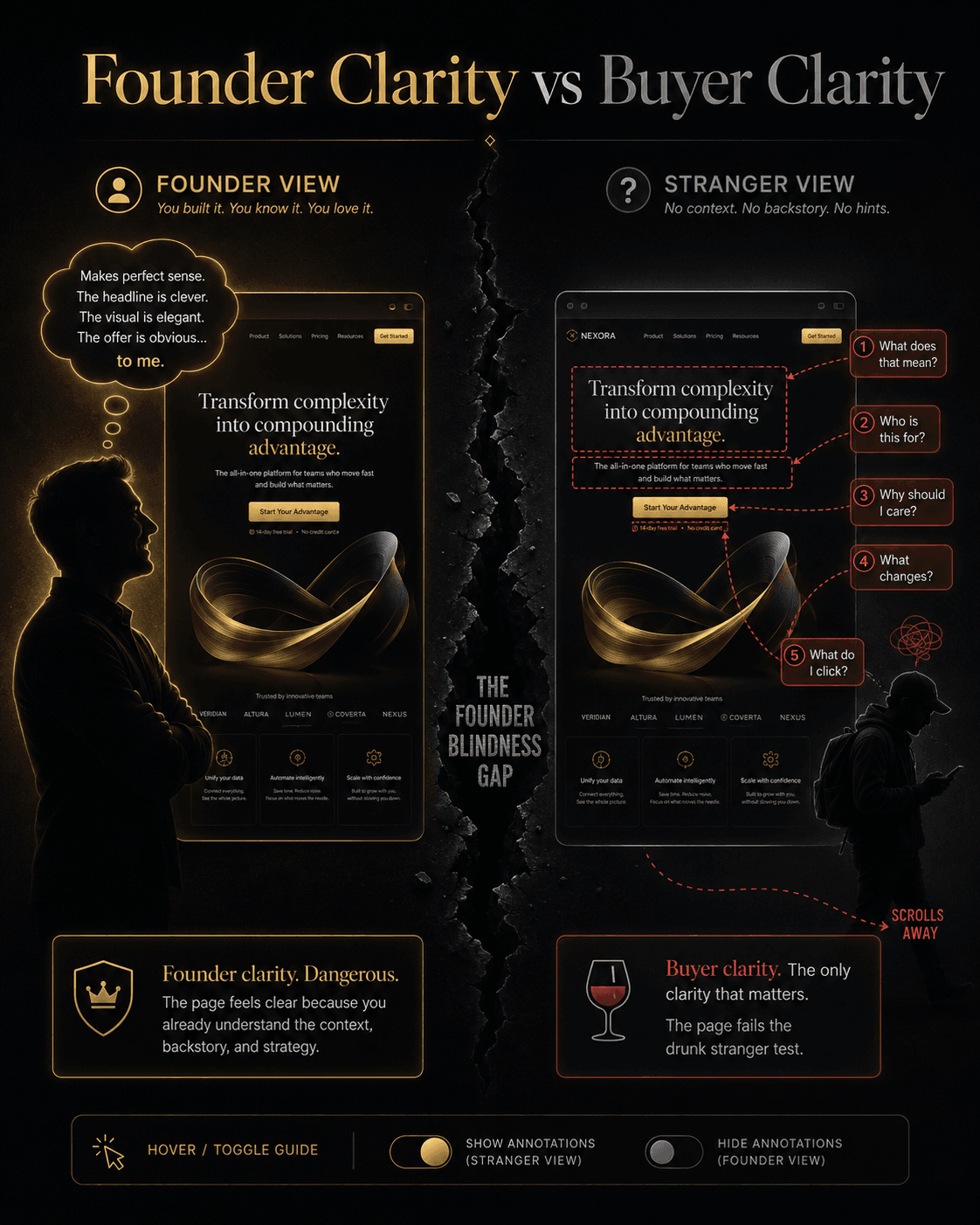
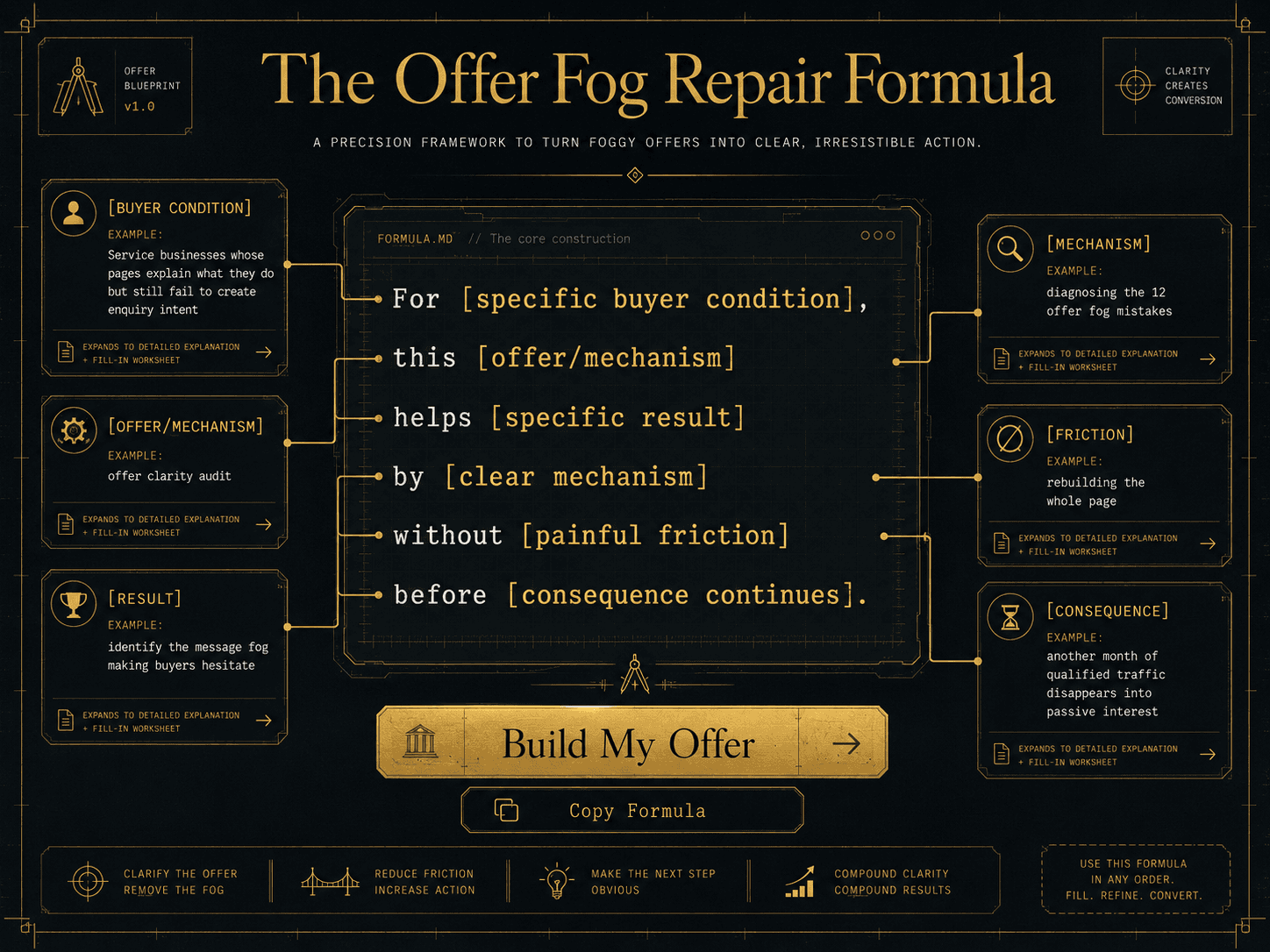
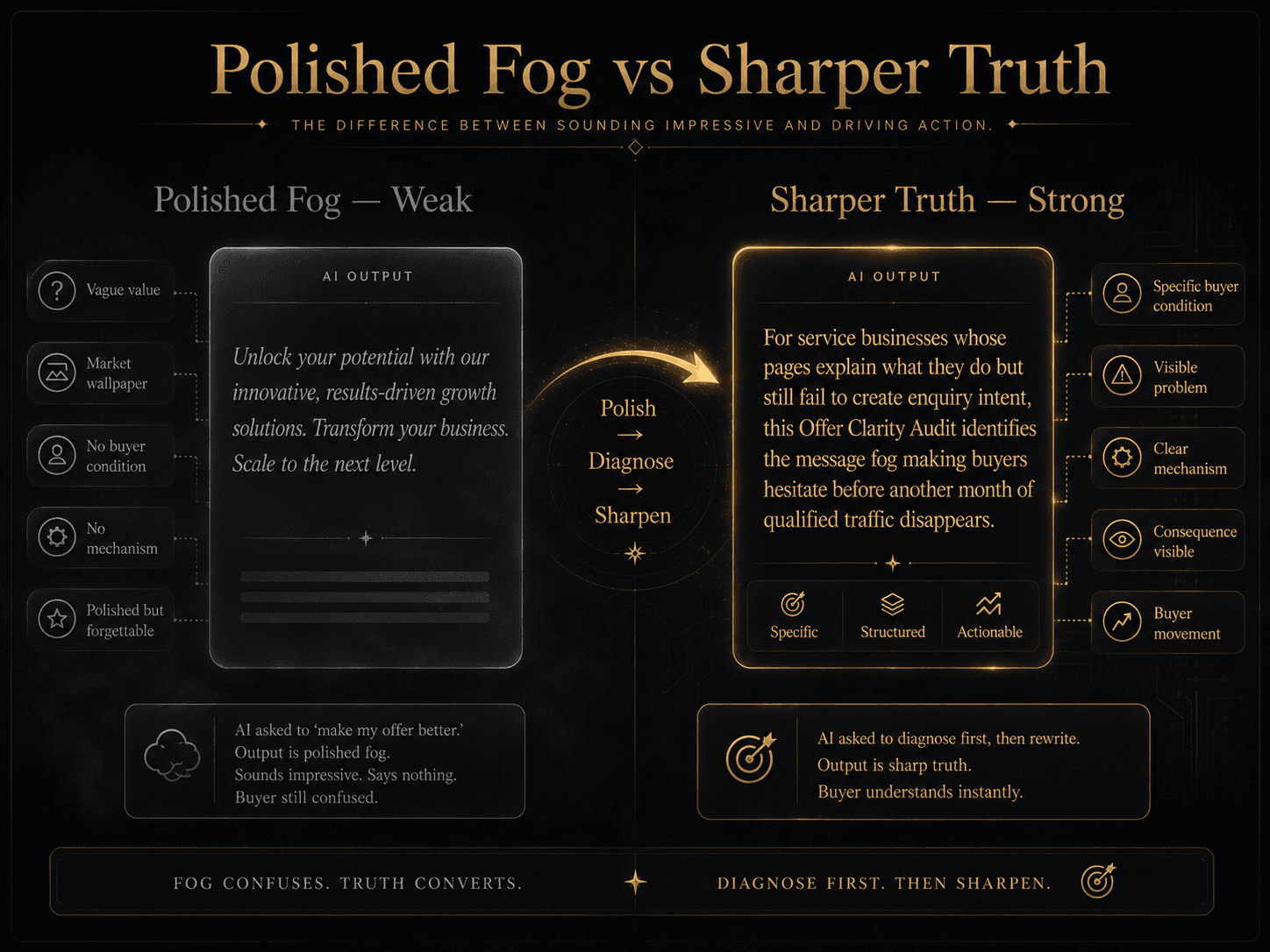
Other Blogs
Other Blogs
Check our other project Blogs with useful insight and information for your businesses