Our Three Step Process
May 30, 2026
Chap 1 | Resource 1 (a) | The Drunk Stranger Test Scorecard™
Our Three Step Process
May 30, 2026
Chap 1 | Resource 1 (a) | The Drunk Stranger Test Scorecard™
The Drunk Stranger Framework™ It is a brutal page-clarity diagnostic that helps you test whether a distracted stranger can understand your page within seconds. It checks whether the visitor can quickly identify what the page is, who it is for, why it matters, what changes after the offer works, why the claim is believable, and what action to take next. Use it before rewriting, redesigning, or sending traffic to any page, because if the page cannot explain itself clearly without the founder standing beside it, conversion is already leaking.
Prefer Audio Or Video?
The Drunk Stranger Test Scorecard™ is also available as:
🎧 A guided audio walkthrough explaining brutal page clarity, first-glance comprehension, buyer recognition, CTA visibility, and no-explanation testing.
🎥 A practical video breakdown with real page examples, clarity failures, before/after rewrites, and scorecard-based funnel repairs.
Choose the format that fits how you learn best.
[Listen To The Audio Walkthrough] (coming soon)
[Watch The Video Breakdown] (coming soon)
——
Why Most Pages Fail The Drunk Stranger Test
Most pages do not fail because the business is bad.
They fail because the page makes the visitor work too hard.
The visitor lands.
They glance.
They try to understand.
And within seconds, the brain asks:
“What is this?”
“Is this for me?”
“Why should I care?”
“What happens if I keep reading?”
“What do I do next?”
If the page does not answer those questions fast enough, the visitor leaves.
Not because they carefully rejected the offer.
Not because they analysed every section.
Not because they compared all the features.
They leave because the page failed the first job:
basic human clarity.
That is the job of The Drunk Stranger Test Scorecard™.
It is a brutal clarity test for any landing page, homepage, sales page, opt-in page, application page, funnel page, or offer section.
The idea is simple:
If a distracted, impatient, slightly confused stranger cannot understand the page quickly, the page is not clear enough.
Not to you.
Not to your team.
Not to your designer.
Not to the founder who already understands the offer.
To a stranger.
That is the standard.
Because buyers do not arrive with founder context.
They arrive with noise, distraction, scepticism, fatigue, open tabs, weak patience, and their own problems.
Your page does not get unlimited attention.
It gets a few seconds to prove it deserves more.
——
What This Resource Helps You Do
The Drunk Stranger Test Scorecard™ helps you pressure-test your page for immediate clarity.
Use it when:
your page looks good but does not convert
people do not understand your offer quickly
visitors bounce before scrolling
your headline sounds clever but unclear
your CTA gets ignored
your page feels polished but vague
your offer needs too much explanation
people ask “so what do you actually do?”
your homepage sounds professional but forgettable
your sales page gets traffic but weak action
your funnel feels busy but not obvious
your page makes sense to you but not to strangers
your designer loves the page but buyers do not move
This is not a design taste test.
This is a comprehension test.
The goal is simple:
Can a distracted stranger understand what the page is, who it is for, why it matters, why they should trust it, and what to do next without you explaining anything?
If the answer is no, the page has a clarity leak.
And clarity leaks kill conversion before persuasion even begins.
——
The Core Principle™
If the page needs explanation, the page is not clear.
That is the rule.
You should not need to stand next to the page and explain:
“Actually, what we mean here is…”
“The headline makes sense once you understand…”
“The offer is clearer if you already know…”
“The CTA is meant to…”
“The visual represents…”
“This section is supposed to show…”
No.
The buyer does not get your explanation.
The buyer gets the page.
And if the page cannot carry the basic meaning by itself, it is leaking attention.
A good page does not make the buyer decode the business.
It gives the buyer immediate orientation.
The buyer should quickly understand:
what this is
who it is for
what problem it solves
why that problem matters
what changes after the solution
why the claim is believable
what action to take next
That is the minimum.
Not the advanced layer.
The minimum.
——
The Drunk Stranger Standard™
The Drunk Stranger Standard™ is simple.
Imagine a stranger sees your page for a few seconds.
They are distracted.
They are impatient.
They are tired.
They do not know your business.
They do not care about your internal strategy.
They are not reading carefully.
They are not giving you the benefit of the doubt.
They are not trying to understand your clever positioning.
They glance at the page and ask:
“What is this?”
If they cannot answer that quickly, the page fails.
If they cannot tell who it is for, the page fails.
If they cannot understand why it matters, the page fails.
If they cannot see what action to take, the page fails.
If they need your explanation to understand the offer, the page fails.
This is brutal.
That is why it works.
Because the internet is brutal.
The buyer’s attention is brutal.
The market is brutal.
And unclear pages do not get rewarded for effort.
They get ignored.
——
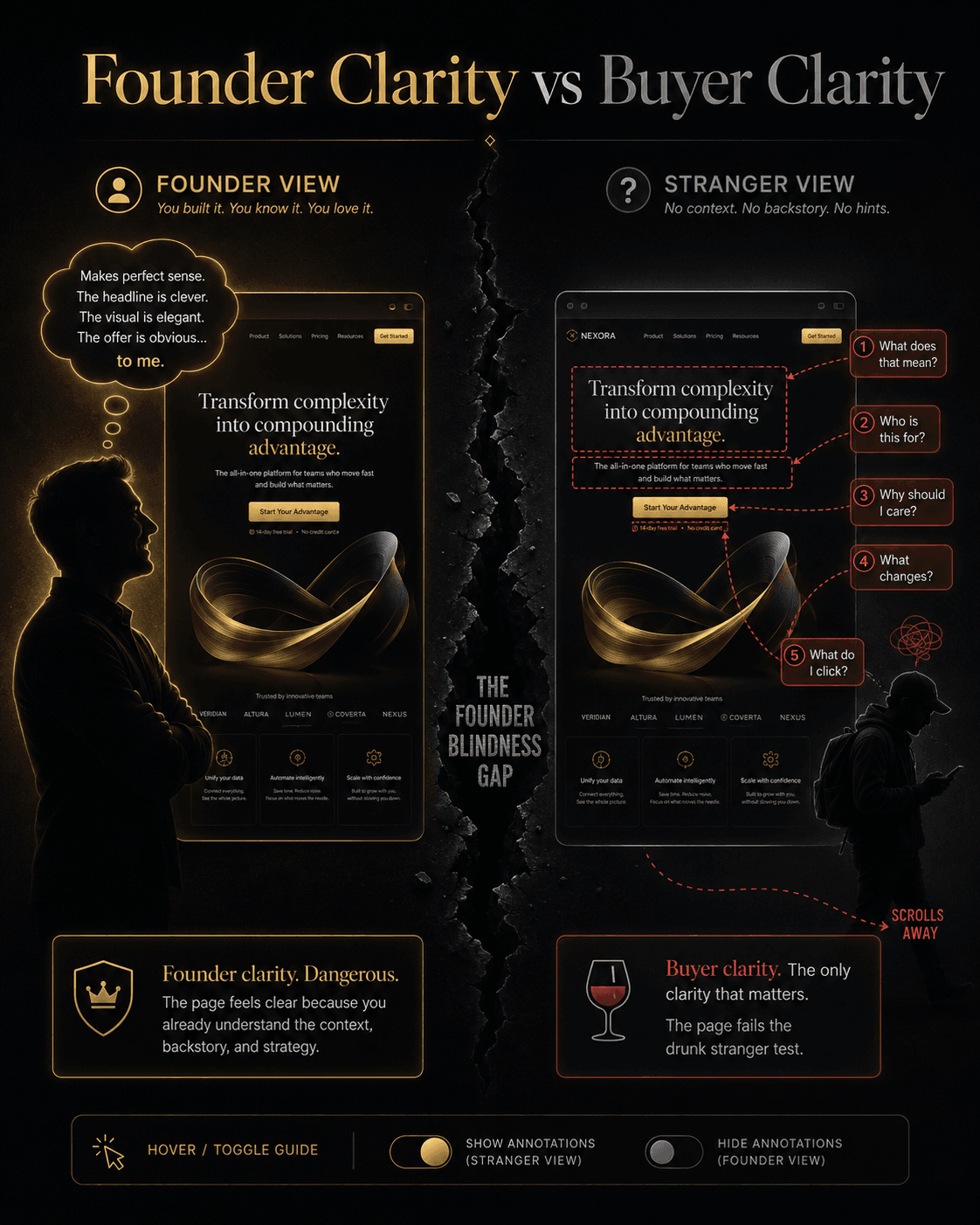
Why Founder Clarity Is Dangerous
Founders often think their pages are clear because they already understand what they meant.
That is the trap.
You know the offer.
You know the context.
You know the backstory.
You know the strategy.
You know the audience.
You know why the wording matters.
The buyer does not.
That means your page may feel clear to you while still confusing everyone else.
This is called founder blindness.
Founder blindness happens when you judge the page through internal knowledge instead of buyer comprehension.
You read the headline and think:
“That makes sense.”
But the buyer reads it and thinks:
“What does that actually mean?”
You read the CTA and think:
“That is obvious.”
But the buyer thinks:
“What happens after I click?”
You read the visual and think:
“That represents the transformation.”
But the buyer thinks:
“Why am I looking at this?”
Founder clarity is not enough.
Buyer clarity is the only clarity that matters.
——
Before You Start: Capture The Page
Do not audit from memory.
Do not audit the idea of the page.
Audit what the visitor actually sees.
Write down the current version before scoring.
Page Being Tested
What page are you testing?
Page Type
Homepage / Landing Page / Sales Page / Application Page / Opt-In Page / Product Page / Offer Section / Other
Target Buyer
Who is this page meant to stop?
Current Headline
Paste the headline:
Current Subheadline
Paste the subheadline:
Current Visual
Describe the main image, video, screenshot, mockup, or proof asset:
Current CTA
Paste the CTA button text:
Current Microcopy
Paste the line near the CTA, or write “missing”:
Desired Visitor Action
What do you want the visitor to do next?
Your Current Concern
What feels unclear, weak, vague, ignored, or underperforming?
——
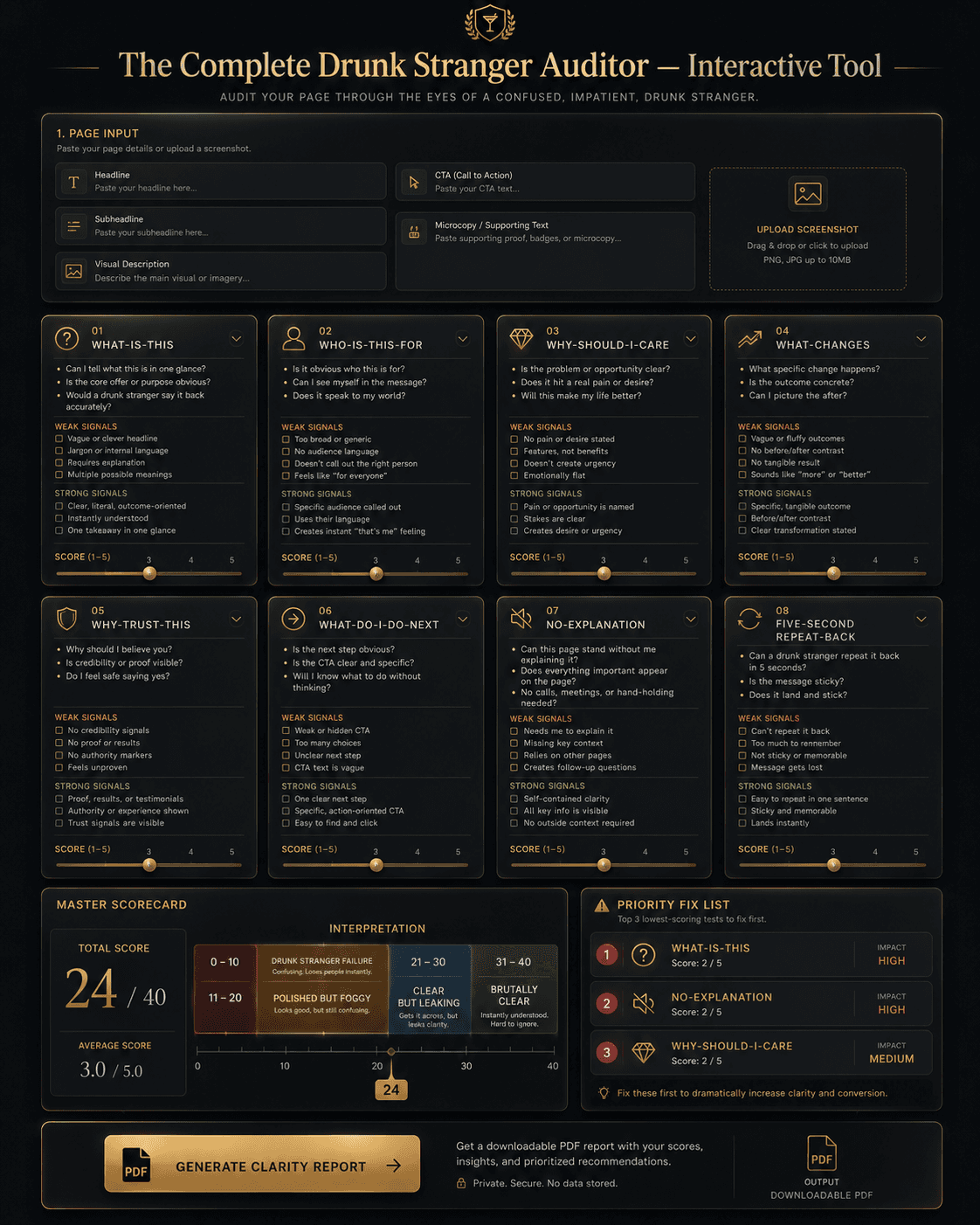
How To Use This Scorecard
Score each test from 1 to 5.
1 = completely unclear
2 = weak
3 = understandable but still leaking clarity
4 = clear
5 = brutally clear
After each test, mark the result as:
Pass
Weak Pass
Fail
Be honest.
Do not score the page based on what you intended.
Score it based on what a distracted stranger would understand.
That difference matters.
——
Test 1: The What-Is-This Test™
Core Question
Can a stranger quickly understand what this page is about?
This is the first test.
Before the buyer cares about proof, price, features, testimonials, design, or your story, they need to know what they are looking at.
If the page cannot answer “what is this?” quickly, everything else becomes harder.
The buyer should not have to scroll, reread, guess, interpret, or translate the headline into normal language.
They should understand the basic category and purpose almost immediately.
Questions To Ask
Can a stranger explain what this page is about after seeing it briefly?
Does the headline create immediate orientation?
Does the page name the problem or result clearly?
Does the page avoid vague category language?
Could someone understand the page without knowing your business?
Does the visual support understanding or create confusion?
Does the first screen answer “what is this?” fast enough?
Weak Signals
The What-Is-This Test is weak when the page says things like:
“Strategic solutions for modern brands.”
“Unlock your potential.”
“Growth without limits.”
“Transforming businesses through innovation.”
“Your partner in success.”
“Next-generation systems for ambitious teams.”
These phrases sound polished.
But they do not create enough understanding.
The stranger may think:
“That sounds nice, but what is it?”
That is failure.
Strong Signals
The What-Is-This Test is stronger when the page says:
“Find the trust leaks stopping your landing page from converting.”
“Build a clearer hero section before sending more traffic.”
“Diagnose why qualified buyers hesitate before enquiring.”
“Turn scattered proof into a page that feels safer to believe.”
Now the buyer understands what kind of problem is being addressed.
The page creates orientation.
That is the first win.
If This Test Fails
Usually the issue is vague positioning.
Fix the basic meaning first.
Ask:
“What would a stranger say this page is about after five seconds?”
If the answer is unclear, rewrite the headline and subheadline before touching anything else.
What-Is-This Worksheet
What does the page appear to be about?
What might a stranger misunderstand?
What phrase feels vague?
What should be made more obvious?
Rewrite the simplest explanation of the page in one sentence:
Score
Your score: ___ / 5
Status: Pass / Weak Pass / Fail
——
Test 2: The Who-Is-This-For Test™
Core Question
Can the right buyer recognise themselves quickly?
A page written for everyone usually lands on no one.
The buyer needs to feel:
“This is for someone like me.”
Not eventually.
Quickly.
That does not mean the page has to exclude everyone aggressively.
But it does need to create enough buyer recognition for the right person to stay.
The page should not only name a category.
It should name a condition.
A category says:
“Founders.”
A condition says:
“Founders whose pages look polished but still fail to create trust.”
That is much stronger.
Questions To Ask
Does the page clearly identify who it helps?
Does it describe a buyer condition, not just a broad audience?
Would the right buyer feel personally recognised?
Would the wrong buyer also think this is for them?
Does the page name the situation the buyer is currently in?
Does the page reflect the buyer’s real problem?
Does the wording sound like buyer language or business language?
Weak Signals
Buyer recognition is weak when the page says:
“For business owners.”
“For ambitious brands.”
“For entrepreneurs.”
“For modern companies.”
“For creators.”
“For teams.”
These may be true.
But they are usually too broad.
They group the buyer.
They do not recognise the buyer.
Strong Signals
Buyer recognition is stronger when the page says:
“For service businesses getting traffic but not enough serious enquiries.”
“For SaaS founders losing trial users before onboarding builds trust.”
“For coaches getting content attention but struggling to turn it into booked calls.”
“For ecommerce brands watching shoppers compare price before desire forms.”
Now the buyer sees their situation.
Recognition begins.
If This Test Fails
Usually the issue is weak audience specificity.
Fix the buyer condition.
Ask:
“What situation is the buyer in when this page becomes relevant?”
That is sharper than asking only:
“Who are they?”
Who-Is-This-For Worksheet
Who is the page currently speaking to?
Is that a category or a condition?
Category / Condition
What specific situation should the page name?
Would the right buyer feel seen quickly?
Yes / No / Partially
Who should immediately know this is not for them?
Rewrite the buyer condition:
Score
Your score: ___ / 5
Status: Pass / Weak Pass / Fail
——
Test 3: The Why-Should-I-Care Test™
Core Question
Does the page make the problem matter?
Clarity alone is not enough.
The buyer may understand what the page is about and still not care.
That usually happens when the page explains the offer but does not reveal the consequence.
The buyer needs to feel why the problem matters.
What is leaking?
What is costing them?
What keeps repeating?
What becomes harder if nothing changes?
What frustration are they tired of carrying?
What opportunity is being missed?
A page without consequence feels optional.
A page with consequence creates attention.
Questions To Ask
Does the page show why the problem matters now?
Does it reveal what happens if the buyer ignores it?
Does it name a real cost, friction, loss, delay, or emotional burden?
Does the buyer feel the current state is worth escaping?
Does the page create tension between current pain and desired outcome?
Or does it merely describe a service?
Weak Signals
The page fails this test when it says:
“We improve your website.”
“We help with marketing.”
“We provide strategy.”
“We create better systems.”
“We support growth.”
These statements describe activity.
They do not create consequence.
The buyer may think:
“That sounds useful.”
But they do not feel urgency.
Strong Signals
The page passes this test when it says:
“Stop sending paid traffic into a page buyers do not trust yet.”
“Fix the first screen before another month of visitors disappears into hesitation.”
“Find the offer fog making qualified buyers understand the value too late.”
“Stop asking buyers to believe claims your proof does not yet support.”
Now the buyer feels why the problem matters.
That creates movement.
If This Test Fails
Usually the issue is weak stakes.
Fix the consequence.
Ask:
“What painful thing continues if the buyer does nothing?”
Then make that visible.
Why-Should-I-Care Worksheet
What problem does the page name?
Why does that problem matter?
What happens if the buyer does nothing?
What is the commercial cost?
What is the emotional cost?
What line could make the consequence clearer?
Rewrite the consequence:
Score
Your score: ___ / 5
Status: Pass / Weak Pass / Fail
——
Test 4: The What-Changes Test™
Core Question
Can the buyer understand the desired shift?
The buyer should not only understand the problem.
They should understand what changes after the offer works.
A weak page says:
“We help you grow.”
A stronger page shows movement:
“Turn passive attention into serious enquiries.”
That is different.
Movement gives the buyer a mental picture of progress.
The page should make the before-and-after feel clear.
Before:
confusion, hesitation, weak trust, vague messaging, ignored CTAs, low belief.
After:
clarity, movement, trust, stronger enquiries, easier decisions, better-fit buyers.
If the buyer cannot feel the shift, the page feels flat.
Questions To Ask
Does the page clearly show what changes?
Can the buyer picture the result?
Does the page show a movement from current state to desired state?
Does the result feel specific or vague?
Does the buyer understand what becomes easier, faster, clearer, safer, or more profitable?
Is the desired outcome emotionally meaningful?
Weak Signals
The What-Changes Test is weak when the result sounds like:
“Better results.”
“Improved performance.”
“More growth.”
“Stronger marketing.”
“Enhanced strategy.”
“Increased success.”
These are too broad.
The buyer cannot picture the shift.
Strong Signals
The test is stronger when the page says:
“Turn weak first screens into clearer conversion points.”
“Move buyers from passive interest to booked calls.”
“Make your offer easier to understand before attention disappears.”
“Replace vague proof with evidence buyers can inspect.”
Now the buyer can feel what changes.
If This Test Fails
Usually the issue is vague outcome language.
Fix the movement.
Ask:
“What is the buyer moving from, and what are they moving toward?”
What-Changes Worksheet
What is the buyer’s current state?
What is the desired state?
What becomes easier after this works?
What becomes clearer?
What becomes safer?
What becomes more commercially valuable?
Write the movement in one sentence:
Score
Your score: ___ / 5
Status: Pass / Weak Pass / Fail
——
Test 5: The Why-Trust-This Test™
Core Question
Does the page give the buyer a reason to believe the claim?
A page can be clear and still feel risky.
The buyer may understand the promise but still think:
“Why should I believe this?”
That is where trust enters.
Trust does not always require a giant case study above the fold.
But the page does need some reason to believe.
That reason could be:
specific proof
a mechanism
a before/after example
a testimonial
a screenshot
a result
a process preview
a credibility marker
a clear explanation
a visible demonstration
a realistic claim
The buyer should not feel forced to believe blindly.
Questions To Ask
Does the page support its main claim?
Is there proof near the claim?
Does the mechanism make the result believable?
Does the page avoid hype?
Does the visual build belief or merely decorate?
Would a sceptical buyer feel calmer after reading?
Or more suspicious?
Weak Signals
Trust is weak when the page uses:
big claims with no proof
fake urgency
inflated language
generic testimonials
decorative visuals
vague superiority statements
unsupported results
“guaranteed” language without credibility
overconfident claims with no mechanism
The buyer feels:
“This sounds like marketing.”
Strong Signals
Trust is stronger when the page uses:
specific claims
grounded language
visible proof
clear mechanisms
realistic outcomes
inspectable screenshots
buyer-language testimonials
before/after examples
calm confidence
The buyer feels:
“This might actually be real.”
That is enough to keep going.
If This Test Fails
Usually the issue is unsupported claims.
Fix believability.
Ask:
“What proof, mechanism, or specificity would make this claim easier to trust?”
Why-Trust-This Worksheet
What is the main claim?
What proof supports it?
Is the proof close enough?
Yes / No / Partially
What mechanism makes the claim believable?
What visual proof could support the claim?
What wording currently sounds overhyped?
Rewrite the claim so it feels more believable:
Score
Your score: ___ / 5
Status: Pass / Weak Pass / Fail
——
Test 6: The What-Do-I-Do-Next Test™
Core Question
Is the next step obvious?
A page can create clarity and still lose action if the next step is vague.
The visitor should quickly understand:
what to click
why to click
what happens after clicking
what value the action gives them
how much effort is required
whether the action feels safe enough
The CTA should not feel like a generic button.
It should feel like the next obvious move.
Questions To Ask
Is the CTA visible?
Is the CTA specific?
Does the CTA imply a clear payoff?
Does the buyer understand what happens next?
Is the action appropriate for the buyer’s current trust level?
Does microcopy reduce hesitation?
Does the CTA connect to the page promise?
Weak Signals
The CTA is weak when it says:
Submit
Learn More
Contact Us
Get Started
Click Here
Read More
These are not always wrong.
But they often fail because they do not create a clear payoff.
The buyer clicks into uncertainty.
That creates hesitation.
Strong Signals
The CTA is stronger when it says:
Show Me The Page Leak
Get The Clarity Scorecard
Find My Biggest Funnel Leak
See The Hero Rewrite
Build My Offer Line
Run The Page Audit
Download The Worksheet
Show Me What To Fix First
Now the action has a shape.
The buyer knows what they are moving toward.
If This Test Fails
Usually the issue is weak CTA payoff.
Fix the action.
Ask:
“What does the buyer get, see, fix, watch, download, understand, or diagnose after clicking?”
Then put that into the CTA.
What-Do-I-Do-Next Worksheet
What is the current CTA?
What does the visitor get after clicking?
Is the payoff obvious?
Yes / No / Partially
What hesitation might stop the click?
What microcopy could reduce that hesitation?
Rewrite the CTA:
Rewrite the microcopy:
Score
Your score: ___ / 5
Status: Pass / Weak Pass / Fail
——
Test 7: The No-Explanation Test™
Core Question
Would the page still make sense without the founder explaining it?
This is the heart of the Drunk Stranger Test.
The page must work without you.
No voice note.
No sales call.
No Loom explanation.
No founder context.
No “what we really mean is…”
No “this makes sense once you understand our method…”
The page must carry the meaning by itself.
If the page only works when explained verbally, the page is not doing its job.
Questions To Ask
Would a stranger understand the page without your explanation?
Would the headline still make sense?
Would the visual still support the message?
Would the CTA still feel clear?
Would the offer still feel valuable?
Would the proof still feel relevant?
Would the buyer know why they should continue?
Weak Signals
The No-Explanation Test fails when you feel the urge to say:
“What this really means is…”
“The context is…”
“The reason we wrote it this way is…”
“Our audience will understand…”
“It makes sense once they scroll…”
“We explain that later…”
That is a warning sign.
If the first screen creates confusion, later clarity may never get seen.
Strong Signals
The test passes when the page creates immediate understanding by itself.
The buyer can say:
“I know what this is.”
“I know who it is for.”
“I know why it matters.”
“I know what changes.”
“I know why it might be believable.”
“I know what to do next.”
That is page clarity.
If This Test Fails
Usually the issue is founder dependency.
The page is relying on explanation that is not present.
Fix the missing context.
Ask:
“What does the buyer need to understand without me being there?”
Then add only the essential clarity.
No-Explanation Worksheet
What would you currently need to explain verbally?
What context is missing from the page?
What part only makes sense to insiders?
What assumption is the page making?
What should be made explicit?
Rewrite the page explanation in one simple sentence:
Score
Your score: ___ / 5
Status: Pass / Weak Pass / Fail
——
Test 8: The Five-Second Repeat-Back Test™
Core Question
Can someone repeat the page back accurately after five seconds?
This is the final clarity test.
Show someone the page for five seconds.
Then hide it.
Ask them:
“What does this page do?”
“Who is it for?”
“Why does it matter?”
“What should you do next?”
Their answer tells you the truth.
Not your opinion.
Not your designer’s opinion.
Not the founder’s intention.
Their answer.
If they repeat the page back incorrectly, the page is unclear.
If they use vague language, the page is vague.
If they cannot explain the offer, the page has fog.
If they do not know the next step, the CTA is weak.
This test is simple.
That is why it is powerful.
Questions To Ask
Can the person explain what the page does?
Can they identify who it is for?
Can they name the problem?
Can they describe the result?
Can they remember the CTA?
Can they repeat the main value without using your explanation?
Can they say why the page matters?
Weak Signals
The Five-Second Repeat-Back Test fails when the person says:
“I think it is some kind of marketing thing.”
“It helps businesses grow.”
“It seems like strategy.”
“I am not sure what they actually do.”
“It looks professional, but I do not know the offer.”
“I do not remember the button.”
“I would need to read more.”
These answers reveal fog.
Strong Signals
The test passes when the person says:
“It helps service businesses fix unclear pages so buyers trust the offer faster.”
“It shows you where your funnel is leaking attention and what to fix first.”
“It is for founders whose landing pages look good but are not converting.”
“The next step is to run the clarity audit.”
That means the page transferred meaning quickly.
If This Test Fails
Do not defend the page.
Fix it.
The stranger is not wrong.
The page is unclear.
Five-Second Repeat-Back Worksheet
Who tested the page?
What did they think the page was about?
What did they think the offer was?
Who did they think it was for?
What did they think the CTA was?
What did they misunderstand?
What does that reveal?
What should be rewritten first?
Score
Your score: ___ / 5
Status: Pass / Weak Pass / Fail
——
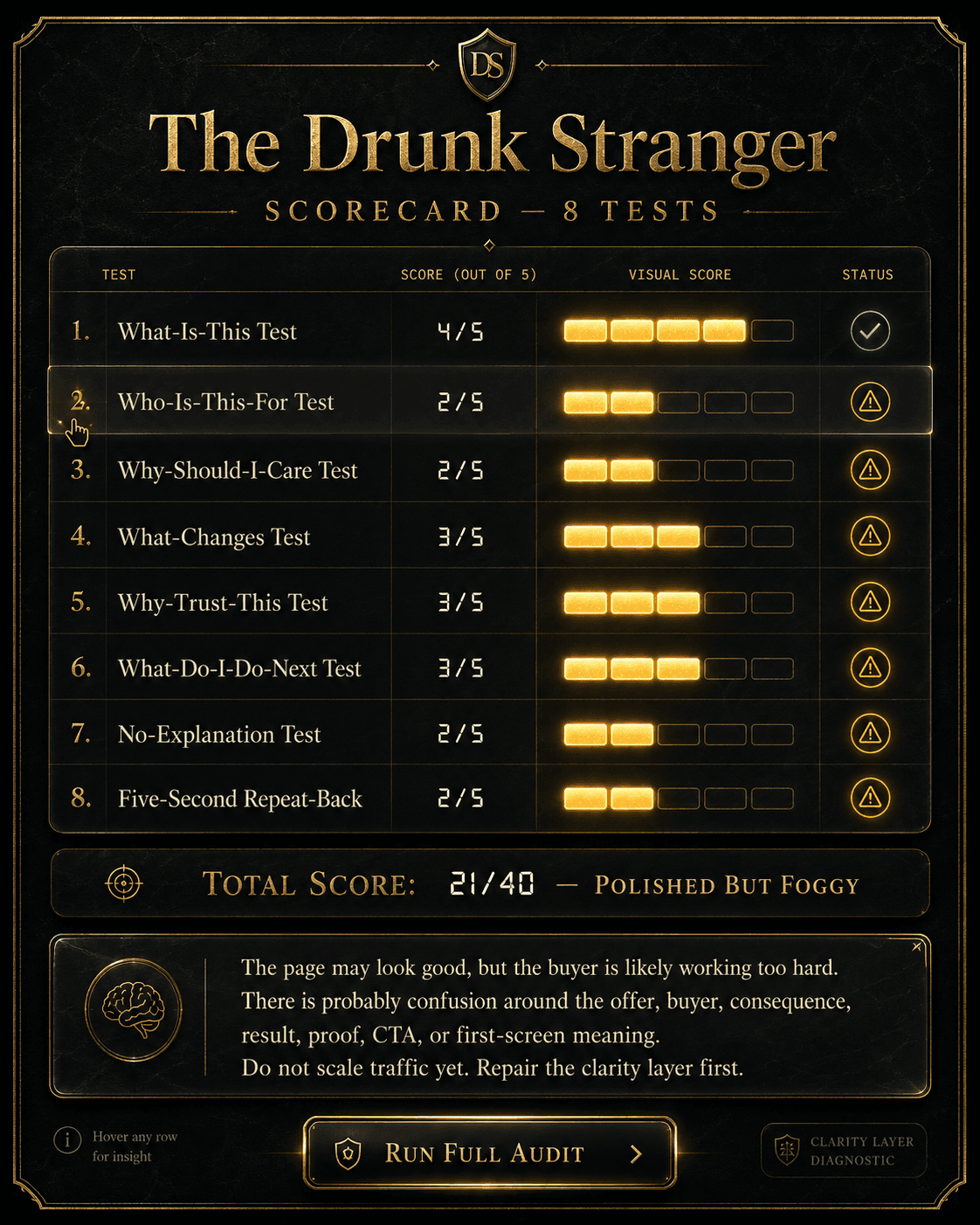
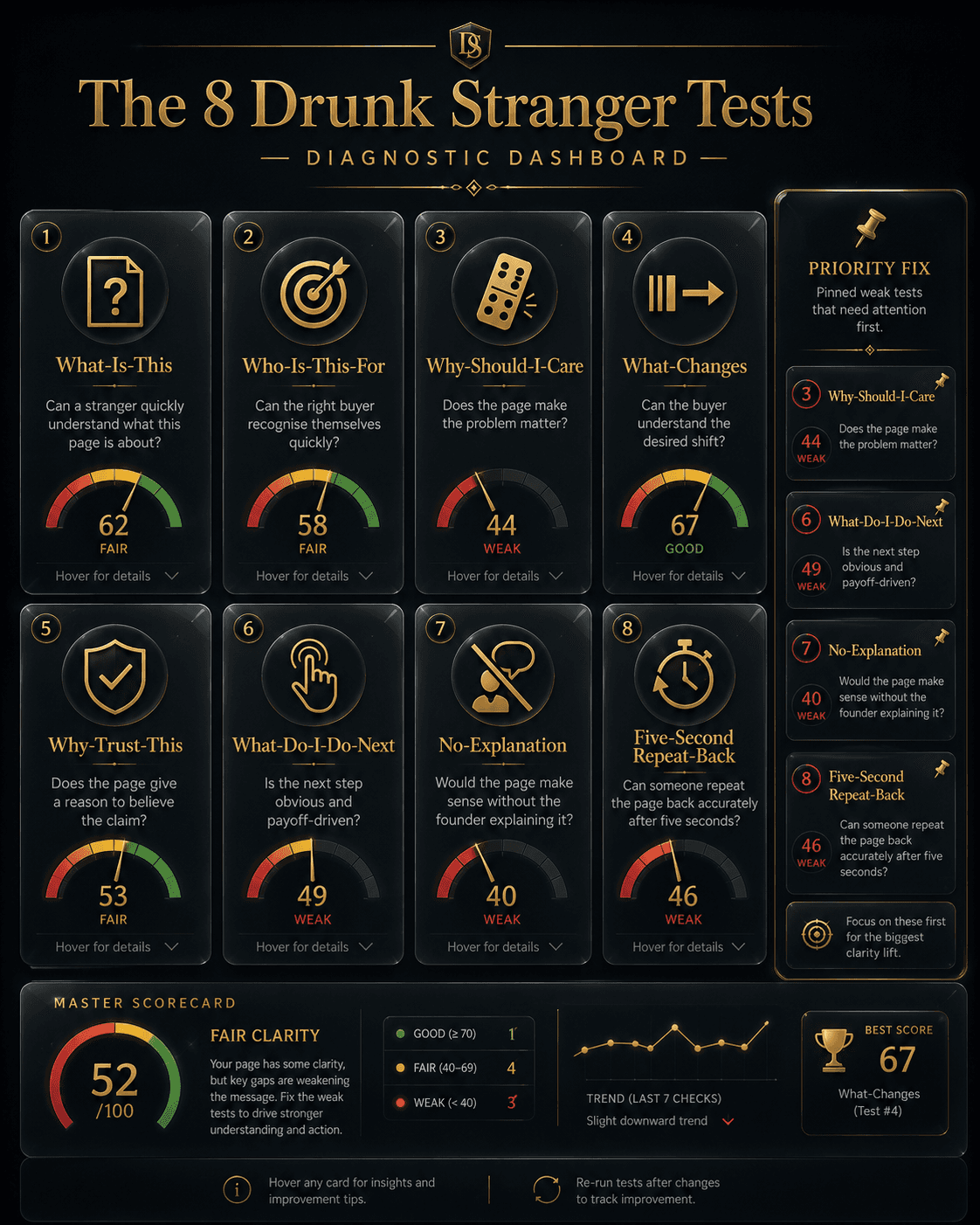
The Complete Drunk Stranger Scorecard™
Score each test from 1 to 5.
What-Is-This Test: ___ / 5
Who-Is-This-For Test: ___ / 5
Why-Should-I-Care Test: ___ / 5
What-Changes Test: ___ / 5
Why-Trust-This Test: ___ / 5
What-Do-I-Do-Next Test: ___ / 5
No-Explanation Test: ___ / 5
Five-Second Repeat-Back Test: ___ / 5
Total Score: ___ / 40
——
Score Interpretation
34–40: Brutally Clear™
The page passes the clarity standard.
A distracted stranger can understand what the page is, who it is for, why it matters, why it might be believable, and what to do next.
This page is clear enough to test with traffic.
You may still improve persuasion, proof, offer strength, or design, but the basic comprehension layer is strong.
26–33: Clear But Leaking™
The page is understandable, but some parts still create friction.
The buyer may understand the general idea, but clarity is not sharp enough everywhere.
Fix the lowest-scoring test first.
Do not rewrite everything randomly.
16–25: Polished But Foggy™
The page may look good, but the buyer is likely working too hard.
There is probably confusion around the offer, buyer, consequence, result, proof, CTA, or first-screen meaning.
Do not scale traffic yet.
Repair the clarity layer first.
0–15: Drunk Stranger Failure™
The page is not clear enough.
It may make sense to the founder, but not to a distracted buyer.
The page needs a clarity rebuild before design polish, ad spend, or conversion optimisation.
Return to the basic questions:
What is this?
Who is it for?
Why does it matter?
What changes?
Why should I trust it?
What do I do next?
——
Clarity Leak Diagnosis™
Use your lowest scores to identify the dominant clarity leak.
Leak 1: Meaning Leak™
Low score in:
What-Is-This Test
What it means:
The buyer does not understand what the page is about quickly enough.
Common signs:
vague headline
abstract language
unclear offer
no obvious category
clever wording
internal terminology
Repair:
Rewrite the headline and subheadline for immediate orientation.
Leak 2: Buyer Recognition Leak™
Low score in:
Who-Is-This-For Test
What it means:
The right buyer does not feel personally recognised.
Common signs:
broad audience
category-only language
no specific buyer condition
no visible frustration
Repair:
Name the buyer’s situation, not just their identity.
Leak 3: Consequence Leak™
Low score in:
Why-Should-I-Care Test
What it means:
The page explains the offer but does not make the problem matter.
Common signs:
low stakes
no cost of delay
service description
soft benefit language
Repair:
Show what keeps leaking, costing, delaying, or frustrating the buyer.
Leak 4: Movement Leak™
Low score in:
What-Changes Test
What it means:
The buyer cannot clearly picture the before-and-after shift.
Common signs:
vague outcome
broad promise
no visible transformation
no emotional movement
Repair:
Clarify what the buyer moves from and what they move toward.
Leak 5: Trust Leak™
Low score in:
Why-Trust-This Test
What it means:
The promise is understood but not believed.
Common signs:
unsupported claims
weak proof
generic testimonials
decorative visual
hype
Repair:
Add proof, mechanism, specificity, or grounded framing.
Leak 6: Action Leak™
Low score in:
What-Do-I-Do-Next Test
What it means:
The buyer does not know what to do next or why to click.
Common signs:
generic CTA
missing microcopy
high-friction next step
unclear payoff
Repair:
Make the CTA specific, payoff-driven, and easy to act on.
Leak 7: Founder Dependency Leak™
Low score in:
No-Explanation Test
What it means:
The page only makes sense when someone explains it.
Common signs:
missing context
insider language
assumed knowledge
headline too abstract
visual unclear
Repair:
Add essential context directly into the page.
Leak 8: Memory Leak™
Low score in:
Five-Second Repeat-Back Test
What it means:
The page does not transfer meaning quickly enough to be remembered.
Common signs:
too many ideas
weak hierarchy
forgettable language
unclear offer
Repair:
Compress the message and sharpen the main idea.
——
My Dominant Clarity Leak
My lowest score is in:
My dominant clarity leak is:
Meaning / Buyer Recognition / Consequence / Movement / Trust / Action / Founder Dependency / Memory
The first repair I need to make is:
——
Repair Priority Map™
Do not fix everything at once.
Fix the leak that damages comprehension first.
If Meaning Is Weak
Repair the headline.
Ask:
“What is this page actually about?”
If Buyer Recognition Is Weak
Repair the audience condition.
Ask:
“What situation is the buyer in when this page becomes relevant?”
If Consequence Is Weak
Repair the stakes.
Ask:
“What painful thing continues if they ignore this?”
If Movement Is Weak
Repair the before-and-after.
Ask:
“What changes after this works?”
If Trust Is Weak
Repair proof or mechanism.
Ask:
“What would make this claim easier to believe?”
If Action Is Weak
Repair the CTA.
Ask:
“What does the buyer get after clicking?”
If Founder Dependency Is Weak
Repair missing context.
Ask:
“What am I assuming the buyer already knows?”
If Memory Is Weak
Repair message compression.
Ask:
“What is the one idea the buyer must remember?”
——
Weak vs Strong Example
Weak Page Hero
Headline:
Strategic Growth Solutions For Modern Businesses
Subheadline:
We help brands scale through innovative marketing systems designed for long-term success.
CTA:
Learn More
Microcopy:
Missing.
Why It Fails
The page sounds professional, but it fails the Drunk Stranger Test.
What is this?
Unclear.
Who is it for?
Too broad.
Why should I care?
No consequence.
What changes?
Vague growth.
Why trust it?
No proof or mechanism.
What do I do next?
“Learn More” gives no payoff.
This page may look polished, but it creates fog.
Stronger Page Hero
Headline:
Find The Page Leak Making Qualified Buyers Hesitate Before Enquiring
Subheadline:
Built for service businesses whose landing pages look polished but still fail to create enough trust, clarity, and movement before the CTA.
CTA:
Run The Funnel Clarity Check
Microcopy:
No redesign. Just the first leak to fix.
Why It Works Better
Now the page creates clarity.
What is this?
A page leak diagnosis.
Who is it for?
Service businesses with polished but underperforming landing pages.
Why should I care?
Qualified buyers are hesitating before enquiring.
What changes?
The first leak becomes visible.
Why trust it?
The mechanism is diagnostic and specific.
What do I do next?
Run the clarity check.
This version is not merely better written.
It is easier to understand.
That is the difference.
——
The Live Stranger Test™
Use this if you want the most honest version of the scorecard.
Find one person who does not know your business.
Show them the page for five seconds.
Then ask:
What do you think this page is about?
Who do you think it is for?
What problem does it solve?
Why does that problem matter?
What would you click next?
What confused you?
What phrase felt vague?
What did you remember?
Do not defend the page.
Do not explain.
Do not interrupt.
Just write down their answers.
Their confusion is the data.
Their hesitation is the data.
Their misinterpretation is the data.
Their silence is the data.
Then fix the page.
——
The “No Mercy” Clarity Questions™
Use these when you want to pressure-test the page brutally.
Ask:
Could a distracted person understand this in five seconds?
Would someone know what we do without scrolling?
Would someone know whether this is for them?
Would someone know what problem we solve?
Would someone feel why the problem matters?
Would someone know what changes after this works?
Would someone trust the claim enough to continue?
Would someone know exactly what to click?
Would someone remember the main idea later?
Would someone still understand the page if the design was removed?
Would someone still understand the offer if the founder was not there?
If too many answers are no, the page is not ready.
——
Final Drunk Stranger Worksheet
Use this as your working sheet.
Current Page
Headline:
Subheadline:
Visual:
CTA:
Microcopy:
Target buyer:
Desired action:
Test Scores
What-Is-This Test: ___ / 5
Who-Is-This-For Test: ___ / 5
Why-Should-I-Care Test: ___ / 5
What-Changes Test: ___ / 5
Why-Trust-This Test: ___ / 5
What-Do-I-Do-Next Test: ___ / 5
No-Explanation Test: ___ / 5
Five-Second Repeat-Back Test: ___ / 5
Total: ___ / 40
Lowest Score
The weakest area is:
Dominant Clarity Leak
Meaning / Buyer Recognition / Consequence / Movement / Trust / Action / Founder Dependency / Memory
First Repair
The first thing I need to fix is:
Rewritten Page Core
One-sentence explanation of the page:
Buyer condition:
Problem:
Consequence:
Desired shift:
Reason to trust:
CTA:
Microcopy:
Revised Hero Section
Headline:
Subheadline:
Visual direction:
CTA:
Microcopy:
Final Verdict
Brutally Clear / Clear But Leaking / Polished But Foggy / Drunk Stranger Failure
Why?
——
Final Execution Challenge™
Take your most important page and run it through the full Drunk Stranger Test.
Do not ask:
“Do I like this page?”
Ask:
“Can a stranger understand this page without me explaining it?”
That is the real standard.
If the page fails, do not panic.
Good.
Now you know where the fog is.
Fix the first unclear layer before touching design, ads, or advanced funnel optimisation.
Because most conversion problems start earlier than people think.
Before persuasion.
Before objection handling.
Before proof.
Before pricing.
Before nurture.
There is clarity.
And if clarity fails, everything after it has to work harder.
——
Final Principle™
Confusion kills conversion before persuasion gets a chance.
That is the point.
Your page does not need to explain everything instantly.
But it must make the first things obvious:
what this is
who it is for
why it matters
what changes
why it can be trusted
what to do next
If a distracted stranger cannot understand those basics, the page is not ready.
Not because the offer is bad.
Not because the design is bad.
Not because the founder lacks skill.
Because the page is asking the buyer to decode too much too soon.
A clear page gives the buyer orientation.
A vague page gives the buyer work.
And buyers do not reward unnecessary work.
They leave.
That is why The Drunk Stranger Test Scorecard™ exists.
To strip away founder assumptions.
To expose unclear messaging.
To reveal where the buyer gets lost.
To force the page to carry meaning by itself.
Because once the page becomes clear enough for a distracted stranger, it finally has a chance to persuade a serious buyer.
——
From:
The $100M Funnel Playbook. Book I: Foundation — Buyer Psychology, Offer Clarity, And The Page Architecture Behind High-Converting Funnels
By Maris Spalins.
——
Copyright Notice
© 2026 The $100M Funnel Playbook / Winyourclients / Maris Spalins. All rights reserved.
This resource, including the frameworks, terminology, examples, scorecards, templates, prompts, methods, and written explanations, is original intellectual property created for The $100M Funnel Playbook. Book I: Foundation — Buyer Psychology, Offer Clarity, And The Page Architecture Behind High-Converting Funnels and published through Winyourclients.
No part of this resource may be copied, reproduced, screenshotted, republished, redistributed, sold, adapted, uploaded, scraped, stored in a database, included in training data, used to train artificial intelligence systems, or used to create derivative commercial or educational materials without prior written permission.
Limited reference, quotation, or sharing is only permitted where the source is clearly and visibly credited.
Any permitted reference must include at least one of the following source credits:
The $100M Funnel Playbook by Maris Spalins
or
Winyourclients — www.winyourclients.com
or
Maris Spalins / Winyourclients
Screenshots, excerpts, summaries, or redistributed versions must not remove, hide, alter, crop out, or obscure the original source, author name, book title, website name, or copyright notice.
This resource is provided for personal learning and implementation only. It is not licensed for resale, republishing, redistribution, AI training, template cloning, course creation, consulting delivery, or commercial reuse without written permission from Maris Spalins or Winyourclients.
For permission requests, licensing, citation approval, or commercial usage enquiries, contact:
Winyourclients
www.winyourclients.com
or
Email directly to Jacob on: help@winyourclients.com
![“The Five-Second Repeat-Back Test” Concept: A minimalist, interactive simulation of the five-second repeat-back test. Interface shows: Top section: A sample page preview (headline, subheadline, visual, CTA). Timer: A 5-second countdown visual (animated circle or bar). Below the timer: A prompt: “After 5 seconds, answer: What does this page do? Who is it for? What should you do next?” Answer area: Text fields where the user (or test subject) types their answers. After submission: A diagnostic analysis comparing the answers to the intended page meaning: “What the page actually does: [intended]” “What the user understood: [user answer]” Gap analysis: “The user missed [specific element]. This suggests [specific clarity leak].” Style: Luxury UI meets interactive test simulator. Dark background, gold timer, clean typography. Feels like a serious usability instrument. Interaction: The user clicks “Start Test.” The timer counts down 5 seconds. The page preview is visible during those 5 seconds, then hidden. The user types their answers. The tool analyzes the gap between intended meaning and understood meaning.](https://framerusercontent.com/images/LmIE3nvjCJ1wepWA0IuOP3P0qb4.png?width=1122&height=1402)
The Drunk Stranger Framework™ It is a brutal page-clarity diagnostic that helps you test whether a distracted stranger can understand your page within seconds. It checks whether the visitor can quickly identify what the page is, who it is for, why it matters, what changes after the offer works, why the claim is believable, and what action to take next. Use it before rewriting, redesigning, or sending traffic to any page, because if the page cannot explain itself clearly without the founder standing beside it, conversion is already leaking.
Prefer Audio Or Video?
The Drunk Stranger Test Scorecard™ is also available as:
🎧 A guided audio walkthrough explaining brutal page clarity, first-glance comprehension, buyer recognition, CTA visibility, and no-explanation testing.
🎥 A practical video breakdown with real page examples, clarity failures, before/after rewrites, and scorecard-based funnel repairs.
Choose the format that fits how you learn best.
[Listen To The Audio Walkthrough] (coming soon)
[Watch The Video Breakdown] (coming soon)
——
Why Most Pages Fail The Drunk Stranger Test
Most pages do not fail because the business is bad.
They fail because the page makes the visitor work too hard.
The visitor lands.
They glance.
They try to understand.
And within seconds, the brain asks:
“What is this?”
“Is this for me?”
“Why should I care?”
“What happens if I keep reading?”
“What do I do next?”
If the page does not answer those questions fast enough, the visitor leaves.
Not because they carefully rejected the offer.
Not because they analysed every section.
Not because they compared all the features.
They leave because the page failed the first job:
basic human clarity.
That is the job of The Drunk Stranger Test Scorecard™.
It is a brutal clarity test for any landing page, homepage, sales page, opt-in page, application page, funnel page, or offer section.
The idea is simple:
If a distracted, impatient, slightly confused stranger cannot understand the page quickly, the page is not clear enough.
Not to you.
Not to your team.
Not to your designer.
Not to the founder who already understands the offer.
To a stranger.
That is the standard.
Because buyers do not arrive with founder context.
They arrive with noise, distraction, scepticism, fatigue, open tabs, weak patience, and their own problems.
Your page does not get unlimited attention.
It gets a few seconds to prove it deserves more.
——
What This Resource Helps You Do
The Drunk Stranger Test Scorecard™ helps you pressure-test your page for immediate clarity.
Use it when:
your page looks good but does not convert
people do not understand your offer quickly
visitors bounce before scrolling
your headline sounds clever but unclear
your CTA gets ignored
your page feels polished but vague
your offer needs too much explanation
people ask “so what do you actually do?”
your homepage sounds professional but forgettable
your sales page gets traffic but weak action
your funnel feels busy but not obvious
your page makes sense to you but not to strangers
your designer loves the page but buyers do not move
This is not a design taste test.
This is a comprehension test.
The goal is simple:
Can a distracted stranger understand what the page is, who it is for, why it matters, why they should trust it, and what to do next without you explaining anything?
If the answer is no, the page has a clarity leak.
And clarity leaks kill conversion before persuasion even begins.
——
The Core Principle™
If the page needs explanation, the page is not clear.
That is the rule.
You should not need to stand next to the page and explain:
“Actually, what we mean here is…”
“The headline makes sense once you understand…”
“The offer is clearer if you already know…”
“The CTA is meant to…”
“The visual represents…”
“This section is supposed to show…”
No.
The buyer does not get your explanation.
The buyer gets the page.
And if the page cannot carry the basic meaning by itself, it is leaking attention.
A good page does not make the buyer decode the business.
It gives the buyer immediate orientation.
The buyer should quickly understand:
what this is
who it is for
what problem it solves
why that problem matters
what changes after the solution
why the claim is believable
what action to take next
That is the minimum.
Not the advanced layer.
The minimum.
——
The Drunk Stranger Standard™
The Drunk Stranger Standard™ is simple.
Imagine a stranger sees your page for a few seconds.
They are distracted.
They are impatient.
They are tired.
They do not know your business.
They do not care about your internal strategy.
They are not reading carefully.
They are not giving you the benefit of the doubt.
They are not trying to understand your clever positioning.
They glance at the page and ask:
“What is this?”
If they cannot answer that quickly, the page fails.
If they cannot tell who it is for, the page fails.
If they cannot understand why it matters, the page fails.
If they cannot see what action to take, the page fails.
If they need your explanation to understand the offer, the page fails.
This is brutal.
That is why it works.
Because the internet is brutal.
The buyer’s attention is brutal.
The market is brutal.
And unclear pages do not get rewarded for effort.
They get ignored.
——
Why Founder Clarity Is Dangerous
Founders often think their pages are clear because they already understand what they meant.
That is the trap.
You know the offer.
You know the context.
You know the backstory.
You know the strategy.
You know the audience.
You know why the wording matters.
The buyer does not.
That means your page may feel clear to you while still confusing everyone else.
This is called founder blindness.
Founder blindness happens when you judge the page through internal knowledge instead of buyer comprehension.
You read the headline and think:
“That makes sense.”
But the buyer reads it and thinks:
“What does that actually mean?”
You read the CTA and think:
“That is obvious.”
But the buyer thinks:
“What happens after I click?”
You read the visual and think:
“That represents the transformation.”
But the buyer thinks:
“Why am I looking at this?”
Founder clarity is not enough.
Buyer clarity is the only clarity that matters.
——
Before You Start: Capture The Page
Do not audit from memory.
Do not audit the idea of the page.
Audit what the visitor actually sees.
Write down the current version before scoring.
Page Being Tested
What page are you testing?
Page Type
Homepage / Landing Page / Sales Page / Application Page / Opt-In Page / Product Page / Offer Section / Other
Target Buyer
Who is this page meant to stop?
Current Headline
Paste the headline:
Current Subheadline
Paste the subheadline:
Current Visual
Describe the main image, video, screenshot, mockup, or proof asset:
Current CTA
Paste the CTA button text:
Current Microcopy
Paste the line near the CTA, or write “missing”:
Desired Visitor Action
What do you want the visitor to do next?
Your Current Concern
What feels unclear, weak, vague, ignored, or underperforming?
——
How To Use This Scorecard
Score each test from 1 to 5.
1 = completely unclear
2 = weak
3 = understandable but still leaking clarity
4 = clear
5 = brutally clear
After each test, mark the result as:
Pass
Weak Pass
Fail
Be honest.
Do not score the page based on what you intended.
Score it based on what a distracted stranger would understand.
That difference matters.
——
Test 1: The What-Is-This Test™
Core Question
Can a stranger quickly understand what this page is about?
This is the first test.
Before the buyer cares about proof, price, features, testimonials, design, or your story, they need to know what they are looking at.
If the page cannot answer “what is this?” quickly, everything else becomes harder.
The buyer should not have to scroll, reread, guess, interpret, or translate the headline into normal language.
They should understand the basic category and purpose almost immediately.
Questions To Ask
Can a stranger explain what this page is about after seeing it briefly?
Does the headline create immediate orientation?
Does the page name the problem or result clearly?
Does the page avoid vague category language?
Could someone understand the page without knowing your business?
Does the visual support understanding or create confusion?
Does the first screen answer “what is this?” fast enough?
Weak Signals
The What-Is-This Test is weak when the page says things like:
“Strategic solutions for modern brands.”
“Unlock your potential.”
“Growth without limits.”
“Transforming businesses through innovation.”
“Your partner in success.”
“Next-generation systems for ambitious teams.”
These phrases sound polished.
But they do not create enough understanding.
The stranger may think:
“That sounds nice, but what is it?”
That is failure.
Strong Signals
The What-Is-This Test is stronger when the page says:
“Find the trust leaks stopping your landing page from converting.”
“Build a clearer hero section before sending more traffic.”
“Diagnose why qualified buyers hesitate before enquiring.”
“Turn scattered proof into a page that feels safer to believe.”
Now the buyer understands what kind of problem is being addressed.
The page creates orientation.
That is the first win.
If This Test Fails
Usually the issue is vague positioning.
Fix the basic meaning first.
Ask:
“What would a stranger say this page is about after five seconds?”
If the answer is unclear, rewrite the headline and subheadline before touching anything else.
What-Is-This Worksheet
What does the page appear to be about?
What might a stranger misunderstand?
What phrase feels vague?
What should be made more obvious?
Rewrite the simplest explanation of the page in one sentence:
Score
Your score: ___ / 5
Status: Pass / Weak Pass / Fail
——
Test 2: The Who-Is-This-For Test™
Core Question
Can the right buyer recognise themselves quickly?
A page written for everyone usually lands on no one.
The buyer needs to feel:
“This is for someone like me.”
Not eventually.
Quickly.
That does not mean the page has to exclude everyone aggressively.
But it does need to create enough buyer recognition for the right person to stay.
The page should not only name a category.
It should name a condition.
A category says:
“Founders.”
A condition says:
“Founders whose pages look polished but still fail to create trust.”
That is much stronger.
Questions To Ask
Does the page clearly identify who it helps?
Does it describe a buyer condition, not just a broad audience?
Would the right buyer feel personally recognised?
Would the wrong buyer also think this is for them?
Does the page name the situation the buyer is currently in?
Does the page reflect the buyer’s real problem?
Does the wording sound like buyer language or business language?
Weak Signals
Buyer recognition is weak when the page says:
“For business owners.”
“For ambitious brands.”
“For entrepreneurs.”
“For modern companies.”
“For creators.”
“For teams.”
These may be true.
But they are usually too broad.
They group the buyer.
They do not recognise the buyer.
Strong Signals
Buyer recognition is stronger when the page says:
“For service businesses getting traffic but not enough serious enquiries.”
“For SaaS founders losing trial users before onboarding builds trust.”
“For coaches getting content attention but struggling to turn it into booked calls.”
“For ecommerce brands watching shoppers compare price before desire forms.”
Now the buyer sees their situation.
Recognition begins.
If This Test Fails
Usually the issue is weak audience specificity.
Fix the buyer condition.
Ask:
“What situation is the buyer in when this page becomes relevant?”
That is sharper than asking only:
“Who are they?”
Who-Is-This-For Worksheet
Who is the page currently speaking to?
Is that a category or a condition?
Category / Condition
What specific situation should the page name?
Would the right buyer feel seen quickly?
Yes / No / Partially
Who should immediately know this is not for them?
Rewrite the buyer condition:
Score
Your score: ___ / 5
Status: Pass / Weak Pass / Fail
——
Test 3: The Why-Should-I-Care Test™
Core Question
Does the page make the problem matter?
Clarity alone is not enough.
The buyer may understand what the page is about and still not care.
That usually happens when the page explains the offer but does not reveal the consequence.
The buyer needs to feel why the problem matters.
What is leaking?
What is costing them?
What keeps repeating?
What becomes harder if nothing changes?
What frustration are they tired of carrying?
What opportunity is being missed?
A page without consequence feels optional.
A page with consequence creates attention.
Questions To Ask
Does the page show why the problem matters now?
Does it reveal what happens if the buyer ignores it?
Does it name a real cost, friction, loss, delay, or emotional burden?
Does the buyer feel the current state is worth escaping?
Does the page create tension between current pain and desired outcome?
Or does it merely describe a service?
Weak Signals
The page fails this test when it says:
“We improve your website.”
“We help with marketing.”
“We provide strategy.”
“We create better systems.”
“We support growth.”
These statements describe activity.
They do not create consequence.
The buyer may think:
“That sounds useful.”
But they do not feel urgency.
Strong Signals
The page passes this test when it says:
“Stop sending paid traffic into a page buyers do not trust yet.”
“Fix the first screen before another month of visitors disappears into hesitation.”
“Find the offer fog making qualified buyers understand the value too late.”
“Stop asking buyers to believe claims your proof does not yet support.”
Now the buyer feels why the problem matters.
That creates movement.
If This Test Fails
Usually the issue is weak stakes.
Fix the consequence.
Ask:
“What painful thing continues if the buyer does nothing?”
Then make that visible.
Why-Should-I-Care Worksheet
What problem does the page name?
Why does that problem matter?
What happens if the buyer does nothing?
What is the commercial cost?
What is the emotional cost?
What line could make the consequence clearer?
Rewrite the consequence:
Score
Your score: ___ / 5
Status: Pass / Weak Pass / Fail
——
Test 4: The What-Changes Test™
Core Question
Can the buyer understand the desired shift?
The buyer should not only understand the problem.
They should understand what changes after the offer works.
A weak page says:
“We help you grow.”
A stronger page shows movement:
“Turn passive attention into serious enquiries.”
That is different.
Movement gives the buyer a mental picture of progress.
The page should make the before-and-after feel clear.
Before:
confusion, hesitation, weak trust, vague messaging, ignored CTAs, low belief.
After:
clarity, movement, trust, stronger enquiries, easier decisions, better-fit buyers.
If the buyer cannot feel the shift, the page feels flat.
Questions To Ask
Does the page clearly show what changes?
Can the buyer picture the result?
Does the page show a movement from current state to desired state?
Does the result feel specific or vague?
Does the buyer understand what becomes easier, faster, clearer, safer, or more profitable?
Is the desired outcome emotionally meaningful?
Weak Signals
The What-Changes Test is weak when the result sounds like:
“Better results.”
“Improved performance.”
“More growth.”
“Stronger marketing.”
“Enhanced strategy.”
“Increased success.”
These are too broad.
The buyer cannot picture the shift.
Strong Signals
The test is stronger when the page says:
“Turn weak first screens into clearer conversion points.”
“Move buyers from passive interest to booked calls.”
“Make your offer easier to understand before attention disappears.”
“Replace vague proof with evidence buyers can inspect.”
Now the buyer can feel what changes.
If This Test Fails
Usually the issue is vague outcome language.
Fix the movement.
Ask:
“What is the buyer moving from, and what are they moving toward?”
What-Changes Worksheet
What is the buyer’s current state?
What is the desired state?
What becomes easier after this works?
What becomes clearer?
What becomes safer?
What becomes more commercially valuable?
Write the movement in one sentence:
Score
Your score: ___ / 5
Status: Pass / Weak Pass / Fail
——
Test 5: The Why-Trust-This Test™
Core Question
Does the page give the buyer a reason to believe the claim?
A page can be clear and still feel risky.
The buyer may understand the promise but still think:
“Why should I believe this?”
That is where trust enters.
Trust does not always require a giant case study above the fold.
But the page does need some reason to believe.
That reason could be:
specific proof
a mechanism
a before/after example
a testimonial
a screenshot
a result
a process preview
a credibility marker
a clear explanation
a visible demonstration
a realistic claim
The buyer should not feel forced to believe blindly.
Questions To Ask
Does the page support its main claim?
Is there proof near the claim?
Does the mechanism make the result believable?
Does the page avoid hype?
Does the visual build belief or merely decorate?
Would a sceptical buyer feel calmer after reading?
Or more suspicious?
Weak Signals
Trust is weak when the page uses:
big claims with no proof
fake urgency
inflated language
generic testimonials
decorative visuals
vague superiority statements
unsupported results
“guaranteed” language without credibility
overconfident claims with no mechanism
The buyer feels:
“This sounds like marketing.”
Strong Signals
Trust is stronger when the page uses:
specific claims
grounded language
visible proof
clear mechanisms
realistic outcomes
inspectable screenshots
buyer-language testimonials
before/after examples
calm confidence
The buyer feels:
“This might actually be real.”
That is enough to keep going.
If This Test Fails
Usually the issue is unsupported claims.
Fix believability.
Ask:
“What proof, mechanism, or specificity would make this claim easier to trust?”
Why-Trust-This Worksheet
What is the main claim?
What proof supports it?
Is the proof close enough?
Yes / No / Partially
What mechanism makes the claim believable?
What visual proof could support the claim?
What wording currently sounds overhyped?
Rewrite the claim so it feels more believable:
Score
Your score: ___ / 5
Status: Pass / Weak Pass / Fail
——
Test 6: The What-Do-I-Do-Next Test™
Core Question
Is the next step obvious?
A page can create clarity and still lose action if the next step is vague.
The visitor should quickly understand:
what to click
why to click
what happens after clicking
what value the action gives them
how much effort is required
whether the action feels safe enough
The CTA should not feel like a generic button.
It should feel like the next obvious move.
Questions To Ask
Is the CTA visible?
Is the CTA specific?
Does the CTA imply a clear payoff?
Does the buyer understand what happens next?
Is the action appropriate for the buyer’s current trust level?
Does microcopy reduce hesitation?
Does the CTA connect to the page promise?
Weak Signals
The CTA is weak when it says:
Submit
Learn More
Contact Us
Get Started
Click Here
Read More
These are not always wrong.
But they often fail because they do not create a clear payoff.
The buyer clicks into uncertainty.
That creates hesitation.
Strong Signals
The CTA is stronger when it says:
Show Me The Page Leak
Get The Clarity Scorecard
Find My Biggest Funnel Leak
See The Hero Rewrite
Build My Offer Line
Run The Page Audit
Download The Worksheet
Show Me What To Fix First
Now the action has a shape.
The buyer knows what they are moving toward.
If This Test Fails
Usually the issue is weak CTA payoff.
Fix the action.
Ask:
“What does the buyer get, see, fix, watch, download, understand, or diagnose after clicking?”
Then put that into the CTA.
What-Do-I-Do-Next Worksheet
What is the current CTA?
What does the visitor get after clicking?
Is the payoff obvious?
Yes / No / Partially
What hesitation might stop the click?
What microcopy could reduce that hesitation?
Rewrite the CTA:
Rewrite the microcopy:
Score
Your score: ___ / 5
Status: Pass / Weak Pass / Fail
——
Test 7: The No-Explanation Test™
Core Question
Would the page still make sense without the founder explaining it?
This is the heart of the Drunk Stranger Test.
The page must work without you.
No voice note.
No sales call.
No Loom explanation.
No founder context.
No “what we really mean is…”
No “this makes sense once you understand our method…”
The page must carry the meaning by itself.
If the page only works when explained verbally, the page is not doing its job.
Questions To Ask
Would a stranger understand the page without your explanation?
Would the headline still make sense?
Would the visual still support the message?
Would the CTA still feel clear?
Would the offer still feel valuable?
Would the proof still feel relevant?
Would the buyer know why they should continue?
Weak Signals
The No-Explanation Test fails when you feel the urge to say:
“What this really means is…”
“The context is…”
“The reason we wrote it this way is…”
“Our audience will understand…”
“It makes sense once they scroll…”
“We explain that later…”
That is a warning sign.
If the first screen creates confusion, later clarity may never get seen.
Strong Signals
The test passes when the page creates immediate understanding by itself.
The buyer can say:
“I know what this is.”
“I know who it is for.”
“I know why it matters.”
“I know what changes.”
“I know why it might be believable.”
“I know what to do next.”
That is page clarity.
If This Test Fails
Usually the issue is founder dependency.
The page is relying on explanation that is not present.
Fix the missing context.
Ask:
“What does the buyer need to understand without me being there?”
Then add only the essential clarity.
No-Explanation Worksheet
What would you currently need to explain verbally?
What context is missing from the page?
What part only makes sense to insiders?
What assumption is the page making?
What should be made explicit?
Rewrite the page explanation in one simple sentence:
Score
Your score: ___ / 5
Status: Pass / Weak Pass / Fail
——
Test 8: The Five-Second Repeat-Back Test™
Core Question
Can someone repeat the page back accurately after five seconds?
This is the final clarity test.
Show someone the page for five seconds.
Then hide it.
Ask them:
“What does this page do?”
“Who is it for?”
“Why does it matter?”
“What should you do next?”
Their answer tells you the truth.
Not your opinion.
Not your designer’s opinion.
Not the founder’s intention.
Their answer.
If they repeat the page back incorrectly, the page is unclear.
If they use vague language, the page is vague.
If they cannot explain the offer, the page has fog.
If they do not know the next step, the CTA is weak.
This test is simple.
That is why it is powerful.
Questions To Ask
Can the person explain what the page does?
Can they identify who it is for?
Can they name the problem?
Can they describe the result?
Can they remember the CTA?
Can they repeat the main value without using your explanation?
Can they say why the page matters?
Weak Signals
The Five-Second Repeat-Back Test fails when the person says:
“I think it is some kind of marketing thing.”
“It helps businesses grow.”
“It seems like strategy.”
“I am not sure what they actually do.”
“It looks professional, but I do not know the offer.”
“I do not remember the button.”
“I would need to read more.”
These answers reveal fog.
Strong Signals
The test passes when the person says:
“It helps service businesses fix unclear pages so buyers trust the offer faster.”
“It shows you where your funnel is leaking attention and what to fix first.”
“It is for founders whose landing pages look good but are not converting.”
“The next step is to run the clarity audit.”
That means the page transferred meaning quickly.
If This Test Fails
Do not defend the page.
Fix it.
The stranger is not wrong.
The page is unclear.
Five-Second Repeat-Back Worksheet
Who tested the page?
What did they think the page was about?
What did they think the offer was?
Who did they think it was for?
What did they think the CTA was?
What did they misunderstand?
What does that reveal?
What should be rewritten first?
Score
Your score: ___ / 5
Status: Pass / Weak Pass / Fail
——
The Complete Drunk Stranger Scorecard™
Score each test from 1 to 5.
What-Is-This Test: ___ / 5
Who-Is-This-For Test: ___ / 5
Why-Should-I-Care Test: ___ / 5
What-Changes Test: ___ / 5
Why-Trust-This Test: ___ / 5
What-Do-I-Do-Next Test: ___ / 5
No-Explanation Test: ___ / 5
Five-Second Repeat-Back Test: ___ / 5
Total Score: ___ / 40
——
Score Interpretation
34–40: Brutally Clear™
The page passes the clarity standard.
A distracted stranger can understand what the page is, who it is for, why it matters, why it might be believable, and what to do next.
This page is clear enough to test with traffic.
You may still improve persuasion, proof, offer strength, or design, but the basic comprehension layer is strong.
26–33: Clear But Leaking™
The page is understandable, but some parts still create friction.
The buyer may understand the general idea, but clarity is not sharp enough everywhere.
Fix the lowest-scoring test first.
Do not rewrite everything randomly.
16–25: Polished But Foggy™
The page may look good, but the buyer is likely working too hard.
There is probably confusion around the offer, buyer, consequence, result, proof, CTA, or first-screen meaning.
Do not scale traffic yet.
Repair the clarity layer first.
0–15: Drunk Stranger Failure™
The page is not clear enough.
It may make sense to the founder, but not to a distracted buyer.
The page needs a clarity rebuild before design polish, ad spend, or conversion optimisation.
Return to the basic questions:
What is this?
Who is it for?
Why does it matter?
What changes?
Why should I trust it?
What do I do next?
——
Clarity Leak Diagnosis™
Use your lowest scores to identify the dominant clarity leak.
Leak 1: Meaning Leak™
Low score in:
What-Is-This Test
What it means:
The buyer does not understand what the page is about quickly enough.
Common signs:
vague headline
abstract language
unclear offer
no obvious category
clever wording
internal terminology
Repair:
Rewrite the headline and subheadline for immediate orientation.
Leak 2: Buyer Recognition Leak™
Low score in:
Who-Is-This-For Test
What it means:
The right buyer does not feel personally recognised.
Common signs:
broad audience
category-only language
no specific buyer condition
no visible frustration
Repair:
Name the buyer’s situation, not just their identity.
Leak 3: Consequence Leak™
Low score in:
Why-Should-I-Care Test
What it means:
The page explains the offer but does not make the problem matter.
Common signs:
low stakes
no cost of delay
service description
soft benefit language
Repair:
Show what keeps leaking, costing, delaying, or frustrating the buyer.
Leak 4: Movement Leak™
Low score in:
What-Changes Test
What it means:
The buyer cannot clearly picture the before-and-after shift.
Common signs:
vague outcome
broad promise
no visible transformation
no emotional movement
Repair:
Clarify what the buyer moves from and what they move toward.
Leak 5: Trust Leak™
Low score in:
Why-Trust-This Test
What it means:
The promise is understood but not believed.
Common signs:
unsupported claims
weak proof
generic testimonials
decorative visual
hype
Repair:
Add proof, mechanism, specificity, or grounded framing.
Leak 6: Action Leak™
Low score in:
What-Do-I-Do-Next Test
What it means:
The buyer does not know what to do next or why to click.
Common signs:
generic CTA
missing microcopy
high-friction next step
unclear payoff
Repair:
Make the CTA specific, payoff-driven, and easy to act on.
Leak 7: Founder Dependency Leak™
Low score in:
No-Explanation Test
What it means:
The page only makes sense when someone explains it.
Common signs:
missing context
insider language
assumed knowledge
headline too abstract
visual unclear
Repair:
Add essential context directly into the page.
Leak 8: Memory Leak™
Low score in:
Five-Second Repeat-Back Test
What it means:
The page does not transfer meaning quickly enough to be remembered.
Common signs:
too many ideas
weak hierarchy
forgettable language
unclear offer
Repair:
Compress the message and sharpen the main idea.
——
My Dominant Clarity Leak
My lowest score is in:
My dominant clarity leak is:
Meaning / Buyer Recognition / Consequence / Movement / Trust / Action / Founder Dependency / Memory
The first repair I need to make is:
——
Repair Priority Map™
Do not fix everything at once.
Fix the leak that damages comprehension first.
If Meaning Is Weak
Repair the headline.
Ask:
“What is this page actually about?”
If Buyer Recognition Is Weak
Repair the audience condition.
Ask:
“What situation is the buyer in when this page becomes relevant?”
If Consequence Is Weak
Repair the stakes.
Ask:
“What painful thing continues if they ignore this?”
If Movement Is Weak
Repair the before-and-after.
Ask:
“What changes after this works?”
If Trust Is Weak
Repair proof or mechanism.
Ask:
“What would make this claim easier to believe?”
If Action Is Weak
Repair the CTA.
Ask:
“What does the buyer get after clicking?”
If Founder Dependency Is Weak
Repair missing context.
Ask:
“What am I assuming the buyer already knows?”
If Memory Is Weak
Repair message compression.
Ask:
“What is the one idea the buyer must remember?”
——
Weak vs Strong Example
Weak Page Hero
Headline:
Strategic Growth Solutions For Modern Businesses
Subheadline:
We help brands scale through innovative marketing systems designed for long-term success.
CTA:
Learn More
Microcopy:
Missing.
Why It Fails
The page sounds professional, but it fails the Drunk Stranger Test.
What is this?
Unclear.
Who is it for?
Too broad.
Why should I care?
No consequence.
What changes?
Vague growth.
Why trust it?
No proof or mechanism.
What do I do next?
“Learn More” gives no payoff.
This page may look polished, but it creates fog.
Stronger Page Hero
Headline:
Find The Page Leak Making Qualified Buyers Hesitate Before Enquiring
Subheadline:
Built for service businesses whose landing pages look polished but still fail to create enough trust, clarity, and movement before the CTA.
CTA:
Run The Funnel Clarity Check
Microcopy:
No redesign. Just the first leak to fix.
Why It Works Better
Now the page creates clarity.
What is this?
A page leak diagnosis.
Who is it for?
Service businesses with polished but underperforming landing pages.
Why should I care?
Qualified buyers are hesitating before enquiring.
What changes?
The first leak becomes visible.
Why trust it?
The mechanism is diagnostic and specific.
What do I do next?
Run the clarity check.
This version is not merely better written.
It is easier to understand.
That is the difference.
——
The Live Stranger Test™
Use this if you want the most honest version of the scorecard.
Find one person who does not know your business.
Show them the page for five seconds.
Then ask:
What do you think this page is about?
Who do you think it is for?
What problem does it solve?
Why does that problem matter?
What would you click next?
What confused you?
What phrase felt vague?
What did you remember?
Do not defend the page.
Do not explain.
Do not interrupt.
Just write down their answers.
Their confusion is the data.
Their hesitation is the data.
Their misinterpretation is the data.
Their silence is the data.
Then fix the page.
——
The “No Mercy” Clarity Questions™
Use these when you want to pressure-test the page brutally.
Ask:
Could a distracted person understand this in five seconds?
Would someone know what we do without scrolling?
Would someone know whether this is for them?
Would someone know what problem we solve?
Would someone feel why the problem matters?
Would someone know what changes after this works?
Would someone trust the claim enough to continue?
Would someone know exactly what to click?
Would someone remember the main idea later?
Would someone still understand the page if the design was removed?
Would someone still understand the offer if the founder was not there?
If too many answers are no, the page is not ready.
——
Final Drunk Stranger Worksheet
Use this as your working sheet.
Current Page
Headline:
Subheadline:
Visual:
CTA:
Microcopy:
Target buyer:
Desired action:
Test Scores
What-Is-This Test: ___ / 5
Who-Is-This-For Test: ___ / 5
Why-Should-I-Care Test: ___ / 5
What-Changes Test: ___ / 5
Why-Trust-This Test: ___ / 5
What-Do-I-Do-Next Test: ___ / 5
No-Explanation Test: ___ / 5
Five-Second Repeat-Back Test: ___ / 5
Total: ___ / 40
Lowest Score
The weakest area is:
Dominant Clarity Leak
Meaning / Buyer Recognition / Consequence / Movement / Trust / Action / Founder Dependency / Memory
First Repair
The first thing I need to fix is:
Rewritten Page Core
One-sentence explanation of the page:
Buyer condition:
Problem:
Consequence:
Desired shift:
Reason to trust:
CTA:
Microcopy:
Revised Hero Section
Headline:
Subheadline:
Visual direction:
CTA:
Microcopy:
Final Verdict
Brutally Clear / Clear But Leaking / Polished But Foggy / Drunk Stranger Failure
Why?
——
Final Execution Challenge™
Take your most important page and run it through the full Drunk Stranger Test.
Do not ask:
“Do I like this page?”
Ask:
“Can a stranger understand this page without me explaining it?”
That is the real standard.
If the page fails, do not panic.
Good.
Now you know where the fog is.
Fix the first unclear layer before touching design, ads, or advanced funnel optimisation.
Because most conversion problems start earlier than people think.
Before persuasion.
Before objection handling.
Before proof.
Before pricing.
Before nurture.
There is clarity.
And if clarity fails, everything after it has to work harder.
——
Final Principle™
Confusion kills conversion before persuasion gets a chance.
That is the point.
Your page does not need to explain everything instantly.
But it must make the first things obvious:
what this is
who it is for
why it matters
what changes
why it can be trusted
what to do next
If a distracted stranger cannot understand those basics, the page is not ready.
Not because the offer is bad.
Not because the design is bad.
Not because the founder lacks skill.
Because the page is asking the buyer to decode too much too soon.
A clear page gives the buyer orientation.
A vague page gives the buyer work.
And buyers do not reward unnecessary work.
They leave.
That is why The Drunk Stranger Test Scorecard™ exists.
To strip away founder assumptions.
To expose unclear messaging.
To reveal where the buyer gets lost.
To force the page to carry meaning by itself.
Because once the page becomes clear enough for a distracted stranger, it finally has a chance to persuade a serious buyer.
——
From:
The $100M Funnel Playbook. Book I: Foundation — Buyer Psychology, Offer Clarity, And The Page Architecture Behind High-Converting Funnels
By Maris Spalins.
——
Copyright Notice
© 2026 The $100M Funnel Playbook / Winyourclients / Maris Spalins. All rights reserved.
This resource, including the frameworks, terminology, examples, scorecards, templates, prompts, methods, and written explanations, is original intellectual property created for The $100M Funnel Playbook. Book I: Foundation — Buyer Psychology, Offer Clarity, And The Page Architecture Behind High-Converting Funnels and published through Winyourclients.
No part of this resource may be copied, reproduced, screenshotted, republished, redistributed, sold, adapted, uploaded, scraped, stored in a database, included in training data, used to train artificial intelligence systems, or used to create derivative commercial or educational materials without prior written permission.
Limited reference, quotation, or sharing is only permitted where the source is clearly and visibly credited.
Any permitted reference must include at least one of the following source credits:
The $100M Funnel Playbook by Maris Spalins
or
Winyourclients — www.winyourclients.com
or
Maris Spalins / Winyourclients
Screenshots, excerpts, summaries, or redistributed versions must not remove, hide, alter, crop out, or obscure the original source, author name, book title, website name, or copyright notice.
This resource is provided for personal learning and implementation only. It is not licensed for resale, republishing, redistribution, AI training, template cloning, course creation, consulting delivery, or commercial reuse without written permission from Maris Spalins or Winyourclients.
For permission requests, licensing, citation approval, or commercial usage enquiries, contact:
Winyourclients
www.winyourclients.com
or
Email directly to Jacob on: help@winyourclients.com
Other Blogs
Other Blogs
Check our other project Blogs with useful insight and information for your businesses
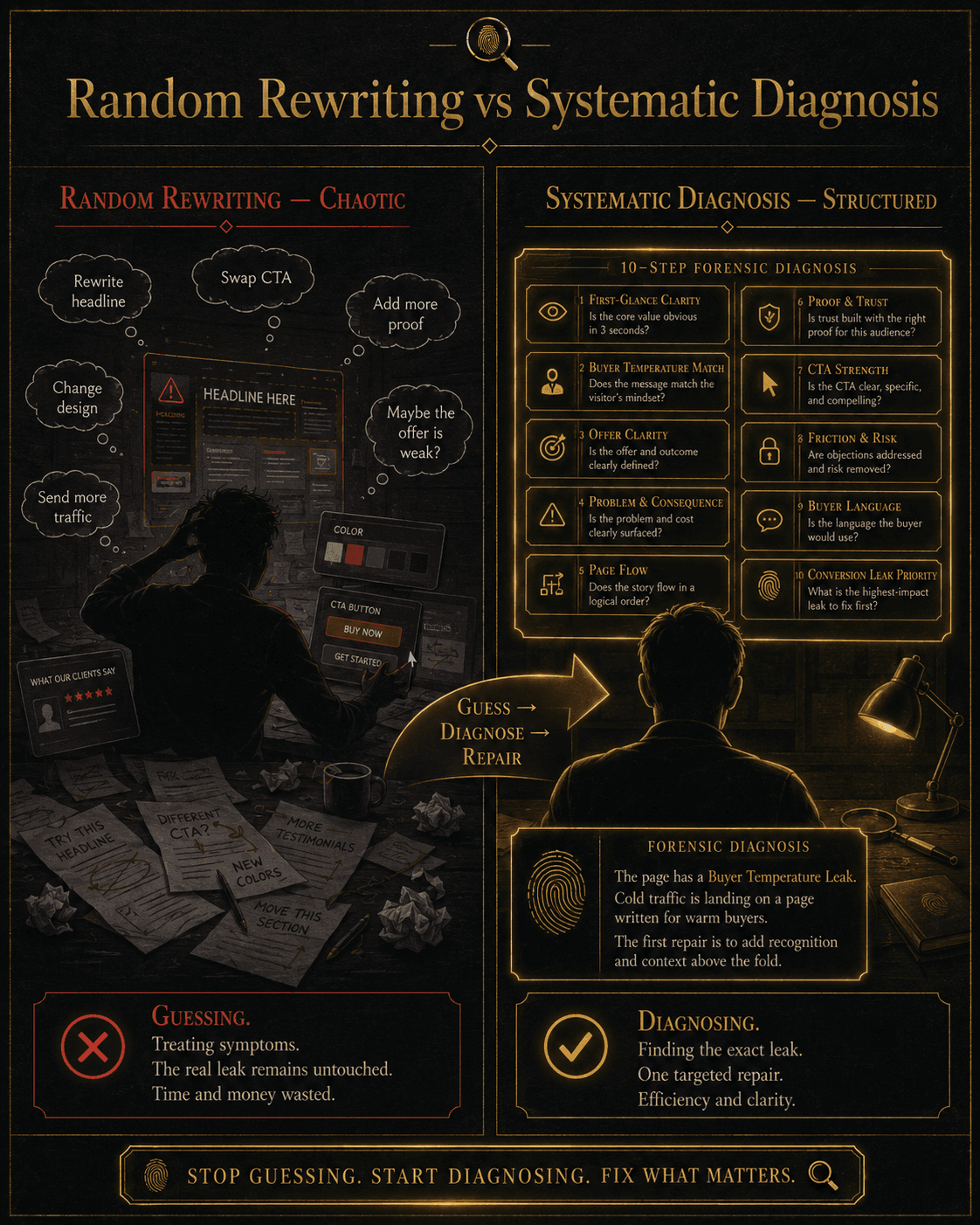
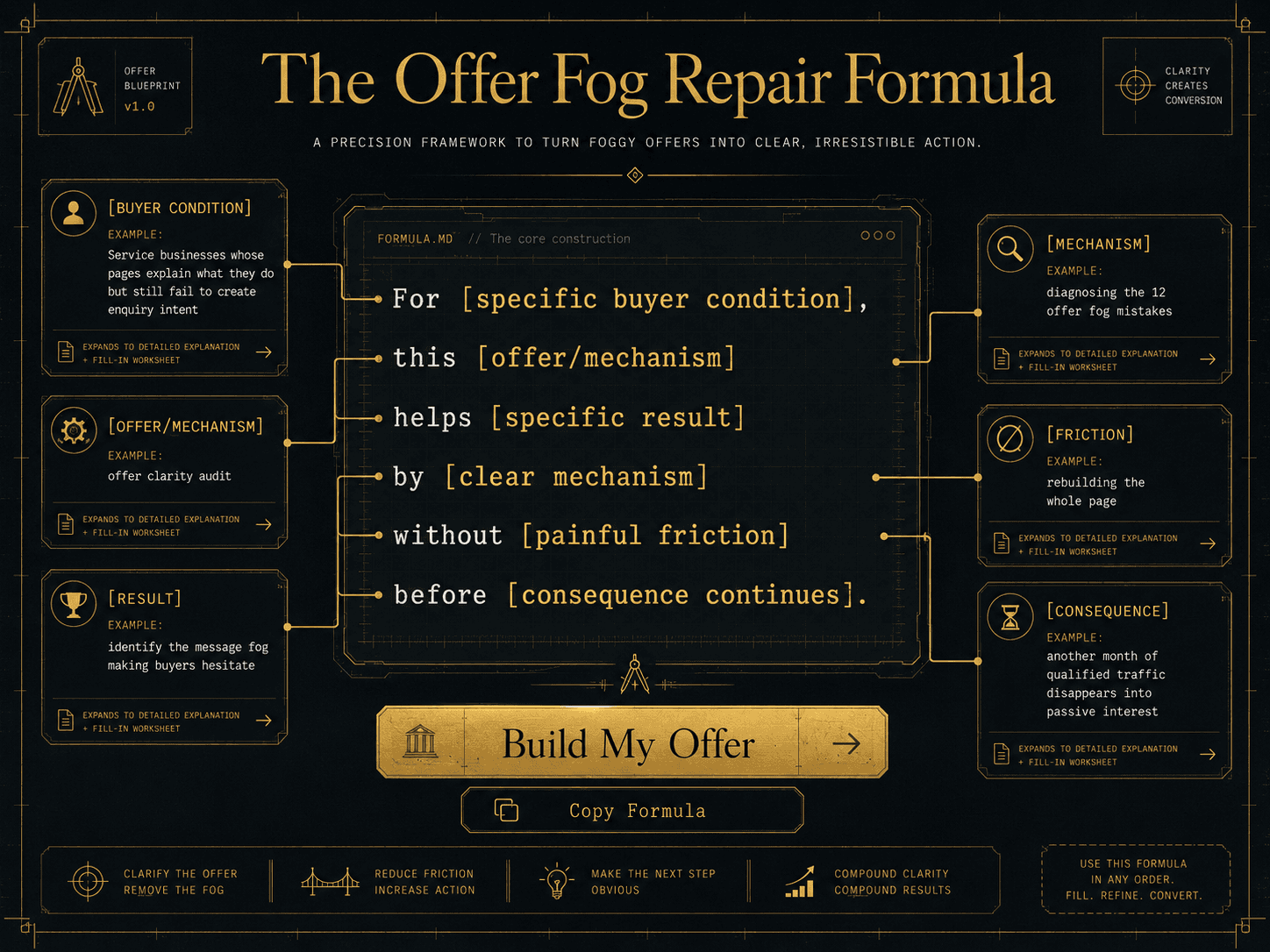
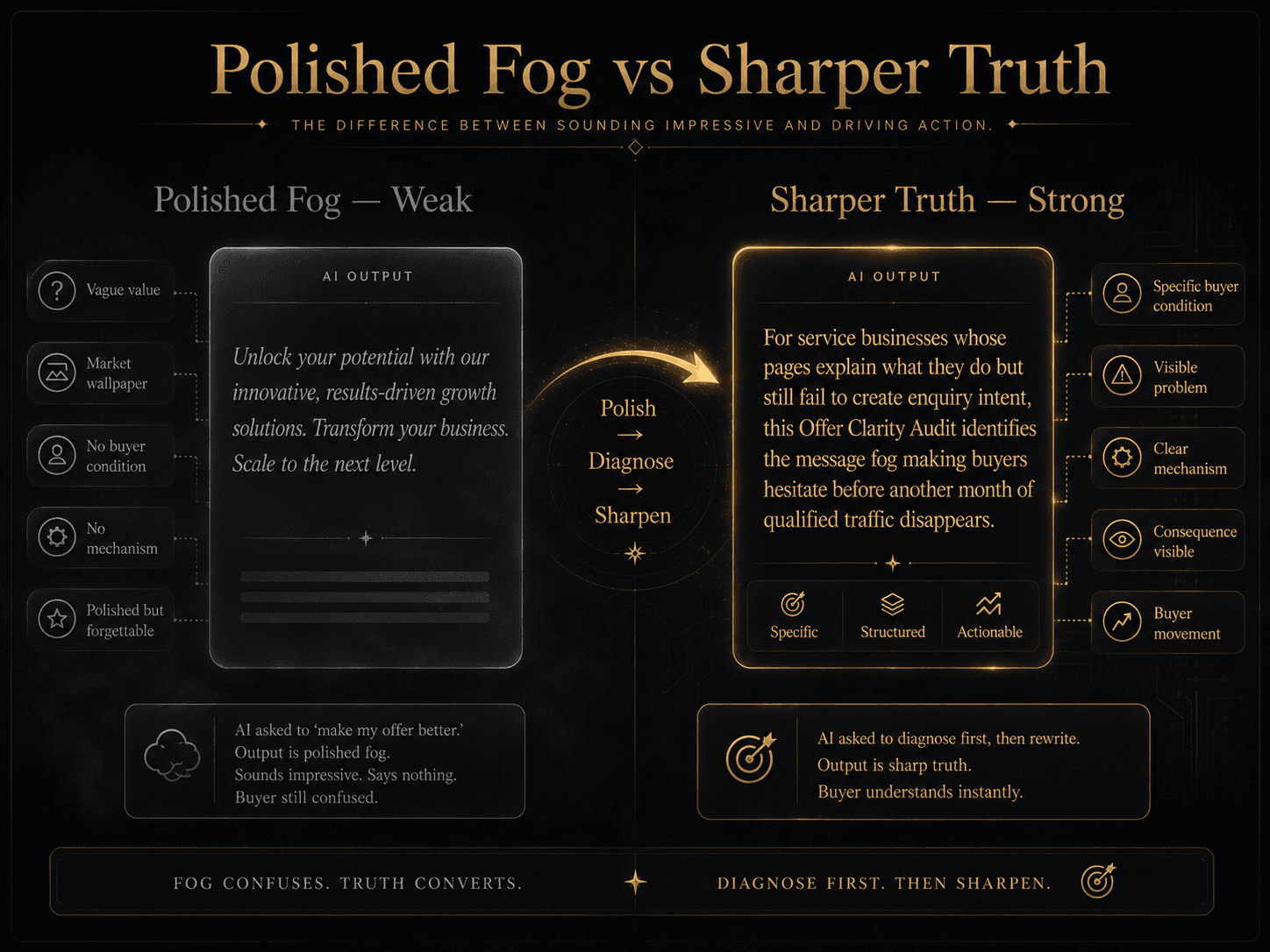
Other Blogs
Other Blogs
Check our other project Blogs with useful insight and information for your businesses